
What's Behind Donald Trump's Move to Impose 10% Global Tariffs After Supreme Court Decision?
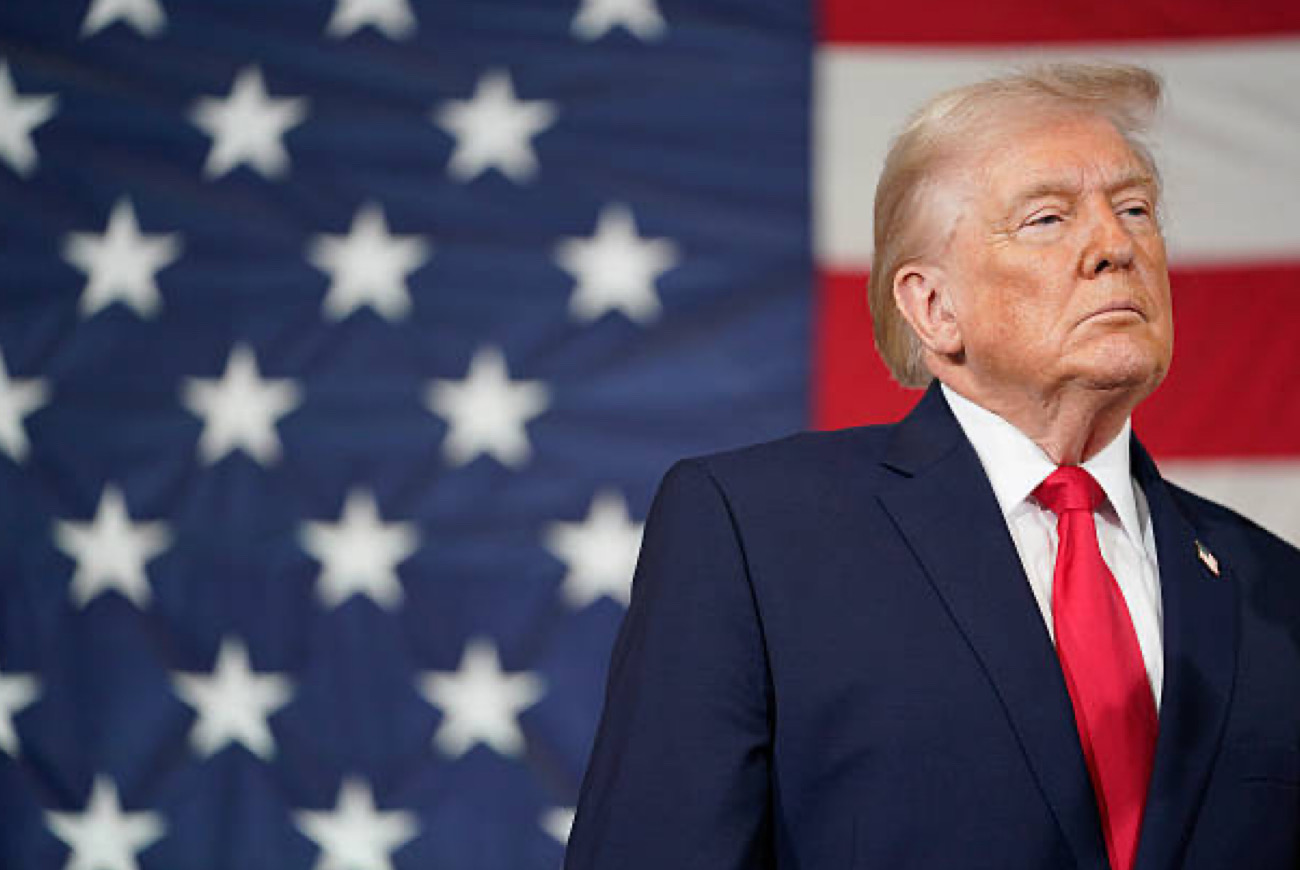
President Donald Trump has announced plans to sign an order imposing a 10% global tariff after the Supreme Court of the United States invalidated his previous tariff structure in a 6-3 ruling on Friday. The Court ruled that the earlier tariffs exceeded the president’s authority under emergency economic powers.
Supreme Court Strikes Down Trump’s Previous Global Tariff Plan
The Supreme Court's 6-3 ruling invalidated President Donald Trump’s prior global tariff framework, stating that emergency economic powers were improperly used to justify broad tariff measures. The decision focused on whether the president exceeded authority granted under federal emergency statutes.
The Court determined that the tariff structure did not meet the legal threshold required for invoking national emergency powers, rendering the previous tariff policy unenforceable. This ruling has significant implications for executive authority in trade policy, although it does not eliminate the president’s ability to pursue tariffs through other legal means.
In response to the ruling, Trump announced his intention to pursue a new global 10% tariff under a different statute that allows temporary tariffs for up to 150 days. He criticized the Court's decision, expressing disappointment and asserting that powerful alternatives are available. Legal analysts view the ruling as clarifying limits on executive authority in international trade while maintaining avenues for temporary tariffs under separate statutes.