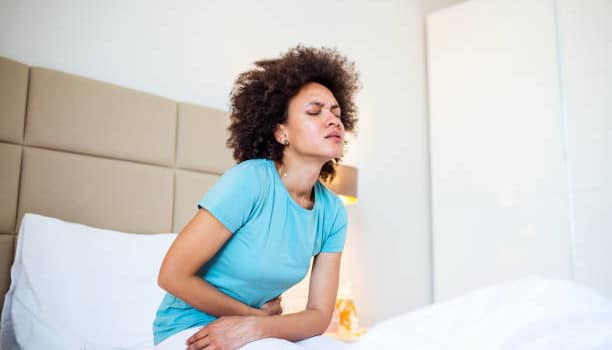
What Really Happens When Constipation Triggers Back Pain?
If you've been wondering whether constipation can cause back pain, you're not alone. Millions experience this surprising connection daily.
Constipation can lead to back pain by creating pressure in the colon, irritating nerves near the lower spine, or causing straining during bowel movements. This can result in dull aches, sharp pain, or discomfort in the lower back.
If your lower back is aching without a clear cause, constipation might be the culprit. The link between constipation and back pain is more common than many realize.
Constipation is defined as infrequent or difficult bowel movements, often caused by factors like low fiber intake, dehydration, sedentary lifestyle, medications, stress, or underlying medical conditions.
Constipation and Lower Back Pain Connection
When stool builds up in the colon, it can create pressure that extends to the lower spine. This pressure affects nerves and muscles near the lumbar spine and pelvic floor, leading to lower back discomfort.
Straining during bowel movements can stress spinal muscles or ligaments, especially for those with existing back issues like herniated discs or sciatica. Fecal impaction can cause severe lower back pain, bloating, and nausea.
Can Back Pain Make You Constipated?
Chronic lower back pain can indirectly cause constipation by slowing digestion, affecting bowel function, or due to pain medications. The relationship between back pain and constipation can go both ways.
If constipation and back pain persist, worsen, or are accompanied by concerning symptoms, it's advisable to seek medical attention to rule out serious conditions.
Relieving Lower Back Pain From Constipation
Treating the constipation itself is key to relieving back pain. Strategies include gentle stretching, hydration, fiber-rich diet, timed bathroom routine, heat therapy, movement breaks, and alternative therapies like acupuncture.
Severe or persistent symptoms of constipation and back pain, along with additional concerning symptoms, should prompt a visit to a healthcare provider.