
Unveiling the Mystery Behind Puff Pastry's Black Specks
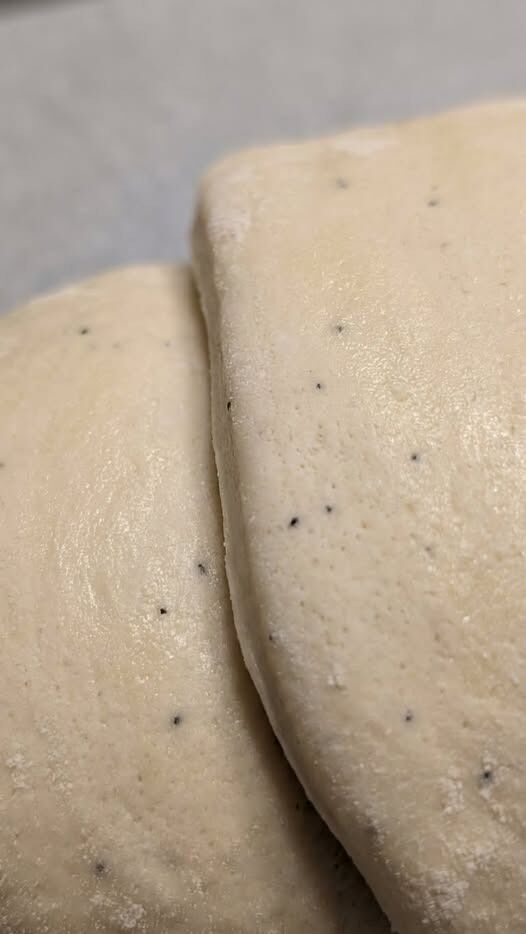
When finding black dots on puff pastry, it's common to question their safety. In most cases, these specks are harmless and result from various factors like air exposure, cold storage, or baking heat. Before discarding the dough, inspect it carefully for signs of mold.
If you spot fuzzy, raised, moist mold in shades of blue, green, or white, accompanied by a sour or musty smell, it's best to dispose of the pastry. However, flat, dry black dots resembling tiny freckles are usually harmless and not mold. These dots don't spread, smear, or feel soft, and there are several benign reasons for their presence.
Natural bran particles from less refined or stone-ground flour, caramelized milk solids from butter darkening during baking, and oxidation from prolonged storage or thawing can lead to harmless black specks. Additionally, residue from baking sheets can transfer onto pastry, easily prevented by using clean pans or parchment paper.
Ensure safety by checking the smell, texture, and color of the dough. Store it tightly sealed in the freezer, minimize unnecessary thawing, and prioritize food safety when in doubt. If the pastry appears and smells normal, proceed with your recipe confidently, enjoying baking without worries.