
After Your Hand Vein Shift: Health Implications Unveiled
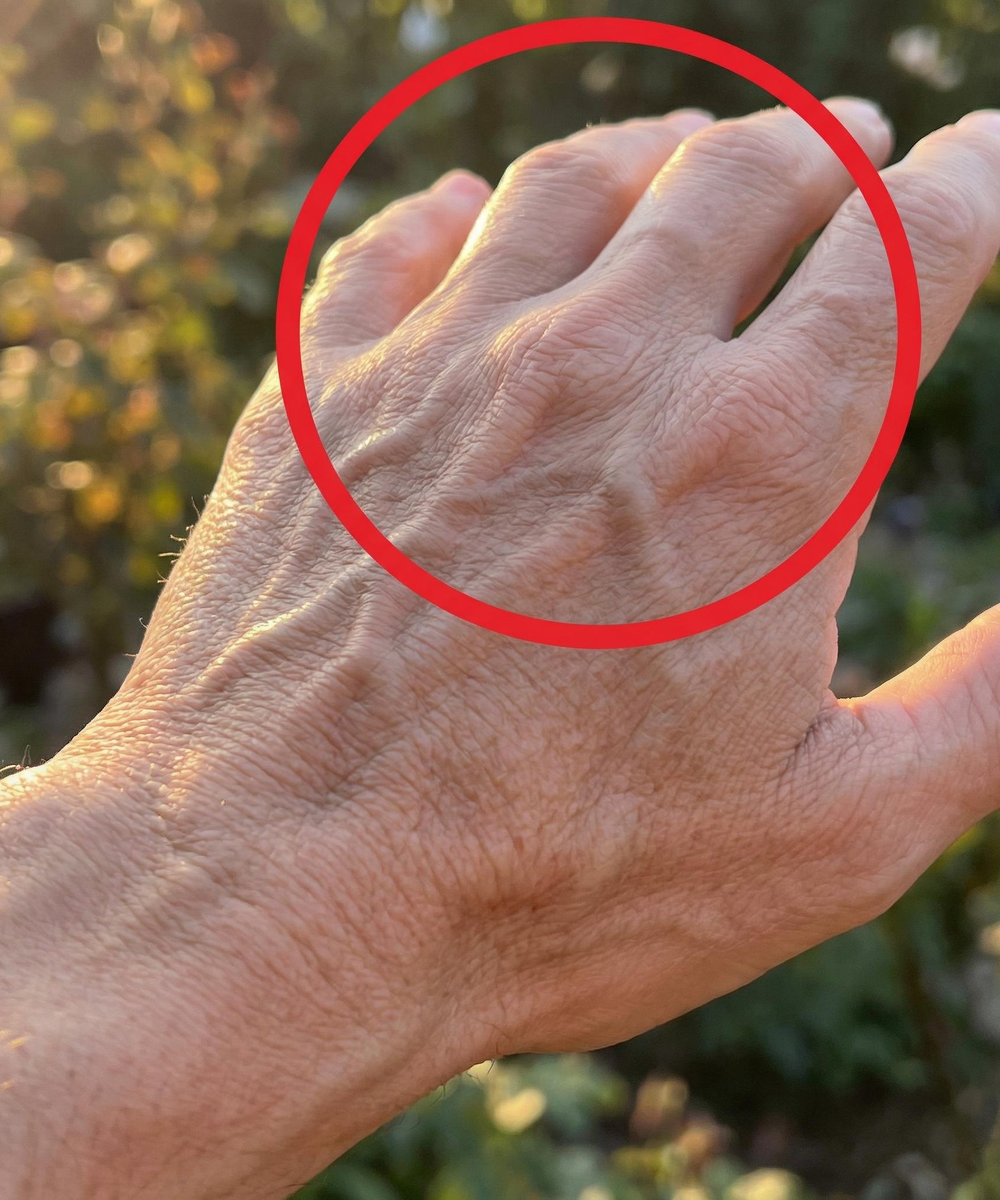
Noticing prominent or bluish veins on your hands can lead to questions about your health. Some online discussions suggest that visible hand veins could indicate hidden kidney problems, but medical evidence does not support this claim. Most of the time, visible veins are a normal physical trait rather than a sign of disease.
Several common reasons can cause veins on the hands to stand out. Factors such as aging, thinning skin, lower body fat, genetics, regular exercise, warm temperatures, and mild dehydration can make veins more visible. These are considered normal variations and are not recognized as symptoms of kidney disease.
Kidney conditions affect the body differently. The kidneys filter waste from the blood, balance fluids, regulate blood pressure, and maintain electrolyte levels. When kidney function decreases, symptoms often involve fluid retention or changes in urination, such as swelling, fatigue, high blood pressure, nausea, or foamy urine due to protein loss. Increased vein visibility is not a typical symptom of kidney issues.
In some cases, veins and kidney treatment may overlap. For instance, individuals with advanced kidney failure needing dialysis might have an arteriovenous (AV) fistula created in the arm to facilitate treatments. This procedure enlarges a vein for medical access, which can make the vein appear thicker or more raised, but it is a result of therapy, not a natural sign of kidney disease.
If you have concerns about kidney health, it is best to undergo blood tests, urine analysis, and blood pressure monitoring conducted by a healthcare professional for an accurate evaluation. Visible veins alone are usually a harmless anatomical variation and not a reliable indicator of kidney function.