
Revised headline: New Rules for U.S. Passport Holders Traveling Abroad
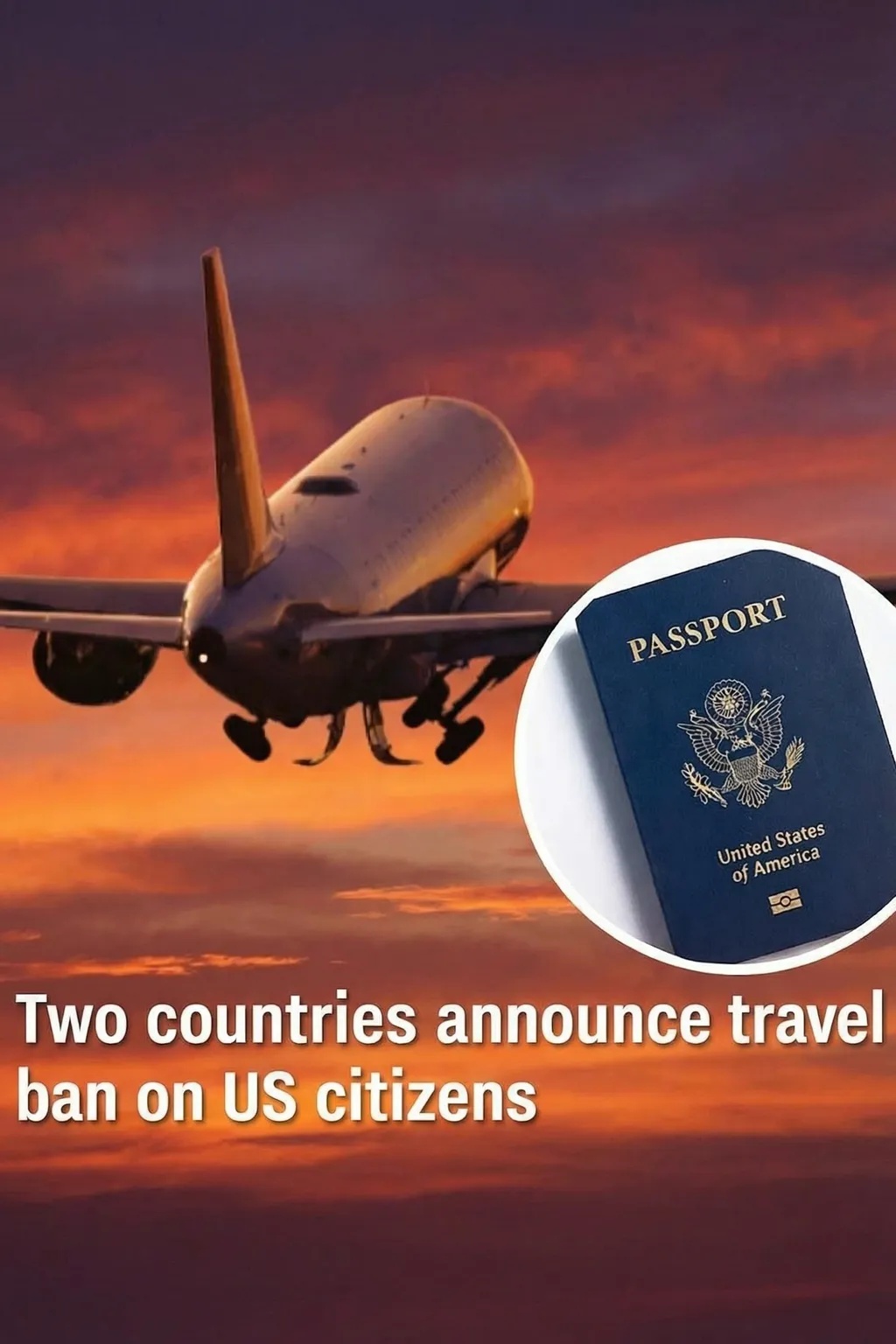
Recent diplomatic decisions in parts of West Africa regarding entry requirements for American citizens are part of a larger debate on fairness and reciprocity in international travel policies.
Niger's Response
The government of Niger suspended visa issuance for U.S. citizens in response to restrictions imposed on Nigerien officials by the United States. This move was framed as reciprocal rather than punitive, emphasizing equal treatment in diplomatic relations.
In Mali and Burkina Faso, visa processes and entry requirements have faced delays and increased scrutiny due to security concerns and strained relations with Western governments. While restrictions exist, there are no formal bans on U.S. citizens, with entry decisions often made case by case.
Policy Perspectives
The United States views visa policy adjustments as administrative measures related to security, governance, and international norms, not intended to target civilians. However, leaders in West Africa argue that mobility restrictions disproportionately affect their citizens, reflecting unequal treatment in global travel systems.
These differing interpretations have practical implications, causing delays and uncertainty for families, researchers, aid workers, and students as rules change unexpectedly. Humanitarian and development efforts are also impacted, highlighting the need for sustained dialogue and transparency to rebuild trust and balance national sovereignty with international cooperation.