
What Happens Next: Supreme Court Grants Trump Power to Revoke Migrant Parole
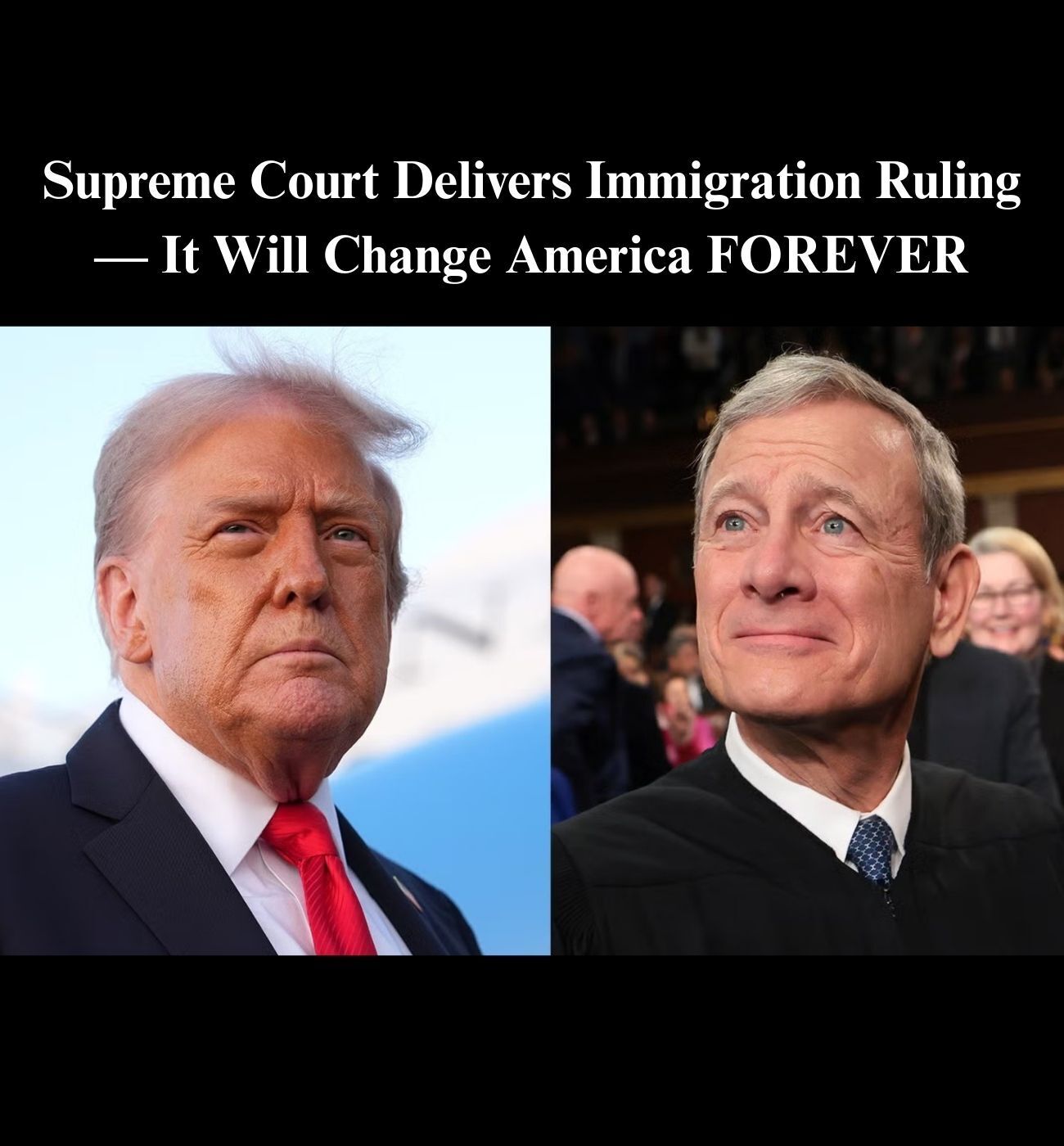
The Supreme Court of the United States has allowed the Trump administration to proceed with ending temporary legal protections for over 500,000 migrants from Venezuela, Cuba, Haiti, and Nicaragua. This decision supports the administration's efforts to adjust immigration policy and potentially increase deportation actions while legal challenges are ongoing in lower courts.
The ruling puts on hold a previous order by Judge Indira Talwani from the U.S. District Court for the District of Massachusetts, which had temporarily blocked the government's plan to terminate the humanitarian parole program. This program, expanded under former President Joe Biden, provided eligible migrants with two-year renewable protection from removal and work authorization.
While the Supreme Court's action does not resolve the underlying legal dispute, it allows the administration to move forward with revoking the protected status during the ongoing appeals process. The final outcome will be determined by future court decisions regarding executive authority over immigration programs and humanitarian parole.
Impact and Arguments
This case has garnered national attention as it could affect hundreds of thousands of individuals who may now face uncertainty about their legal status. Supporters of the administration believe the decision reinforces immigration enforcement and restores policy control, while opponents fear that ending the program could disrupt families and communities. The legal proceedings are expected to continue in the coming months.