
Unveiling Regional Threats in Imagined Global War—a Specialist's Take
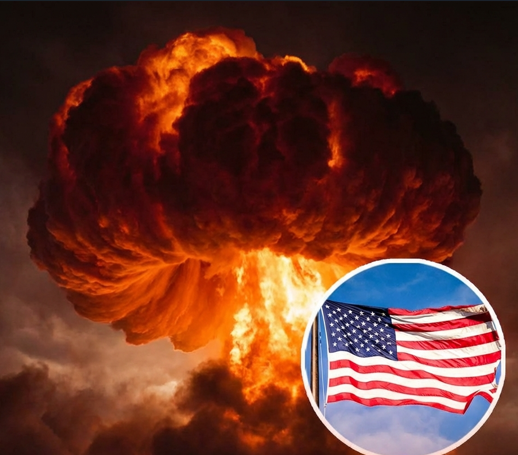
Global security discussions often prompt questions about the potential impacts of a major international conflict on different regions. While there is no confirmed global war currently, researchers and defense analysts sometimes use simulations to study how geography and infrastructure could influence risks in extreme scenarios. These studies aim to aid preparedness planning rather than predict future events, helping experts understand how governments and communities might respond to large emergencies.
Considerations in Security Studies
One common factor in these studies is the location of strategic military infrastructure. In the United States, central states host intercontinental ballistic missile (ICBM) silos crucial to the country’s nuclear deterrent system. Analysts evaluate how these facilities could impact hypothetical military conflict scenarios, often referencing states like Montana, Wyoming, Colorado, and others where such installations are located.
Experts stress that theoretical scenarios involving nuclear or large-scale conflict would have widespread consequences beyond specific locations. Wind patterns, weather systems, and event scale could influence fallout or environmental effects' dispersion. Analysts warn of infrastructure disruptions, economic instability, and potential water or food contamination affecting communities over large areas, with challenges in one region rippling across the country and beyond.
Focus on Preparedness and Resilience
Preparedness discussions prioritize enhancing resilience rather than pinpointing "safe" locations. Some modeling studies suggest regions with fewer missile installations, like parts of the Northeast, Southeast, and Midwest, have lower direct-target risk in theoretical scenarios. However, experts clarify that these classifications are relative and based solely on simulation data.
Ultimately, preparedness planning aims to strengthen emergency response systems, safeguard critical infrastructure, and equip communities with the necessary information and resources to enhance resilience in an unpredictable world.