
Blue Stop Signs: How They Impact Traffic Flow
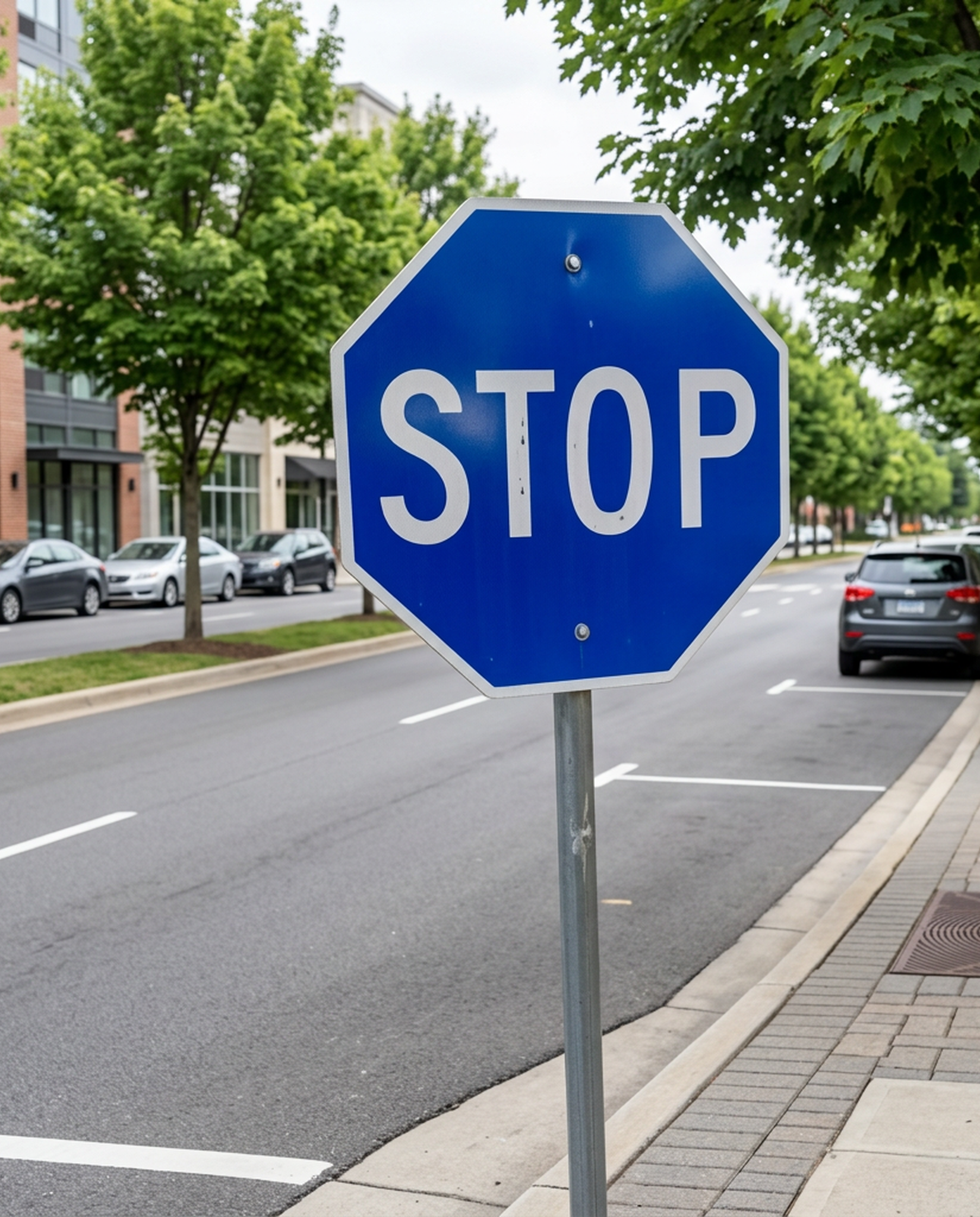
Traffic signs in the United States adhere to national standards outlined in the Manual on Uniform Traffic Control Devices (MUTCD) by the Federal Highway Administration. The aim is to ensure clear and predictable road systems for the safety and convenience of motorists, cyclists, and pedestrians.
The iconic stop sign, designed for easy recognition, features a red background with white lettering in an octagonal shape. This choice allows for visibility even in adverse conditions like fog or nighttime driving, as red is universally recognized as a cautionary color for quick attention.
While red stop signs are prevalent on public roads, blue stop signs are occasionally seen on private property like parking lots or residential areas. Property owners may customize signs to suit their surroundings, encouraging drivers to slow down and watch for cross traffic.
Blue stop signs, though not standard for public roads, play a crucial role in guiding traffic and promoting safe driving in areas where pedestrians and vehicles share spaces. These signs help prevent misunderstandings between drivers and maintain order.
Despite variations in color and design, the core purpose of all stop signs remains constant: to remind drivers to stop, observe carefully, and proceed safely. This adherence to simple cues enhances the smooth and secure movement of all road users.