What Happens if NCAA Schools Ignore Athlete Limits in Trump's Order?
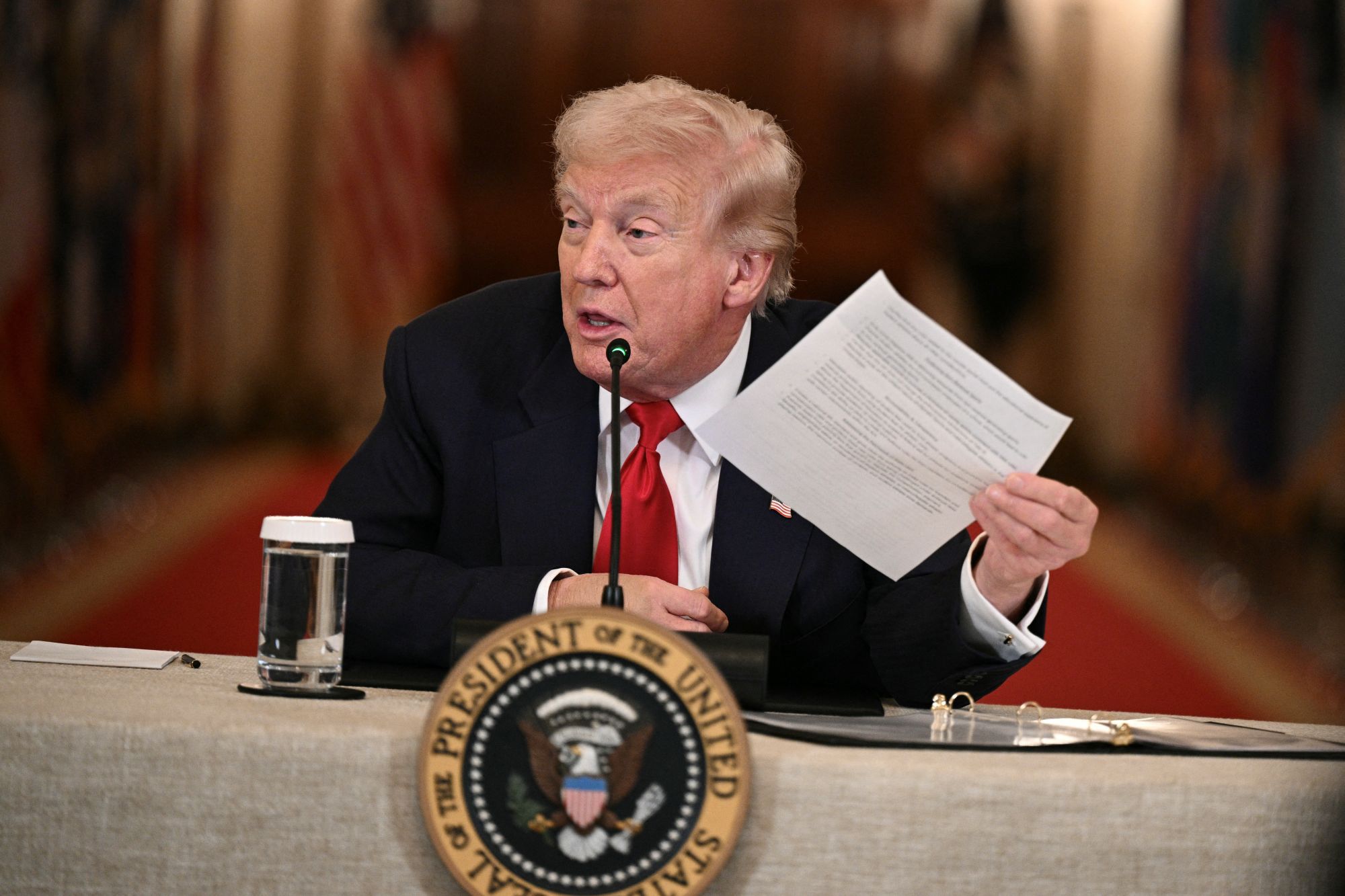
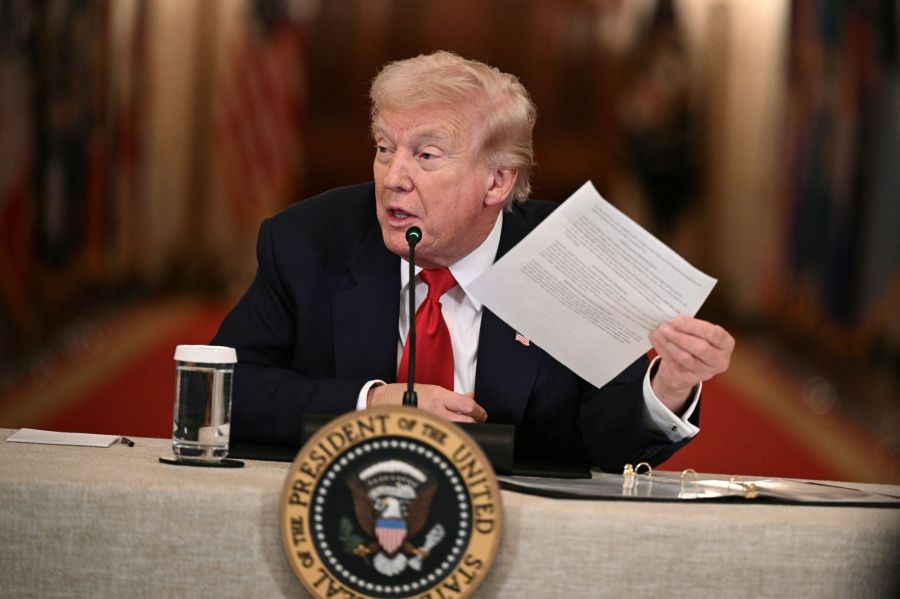
President Donald Trump recently signed a second executive order concerning college sports following a significant weekend for NCAA basketball.
The new order focuses on transfer and eligibility rules for college athletes, potentially affecting how they can be compensated for their name, image, and likeness (NIL).
The order also aims to prevent schools from reducing scholarships or opportunities for women's and Olympic sports to pay their athletes, with the risk of financial penalties for violators.
Executive Order Impact on College Football
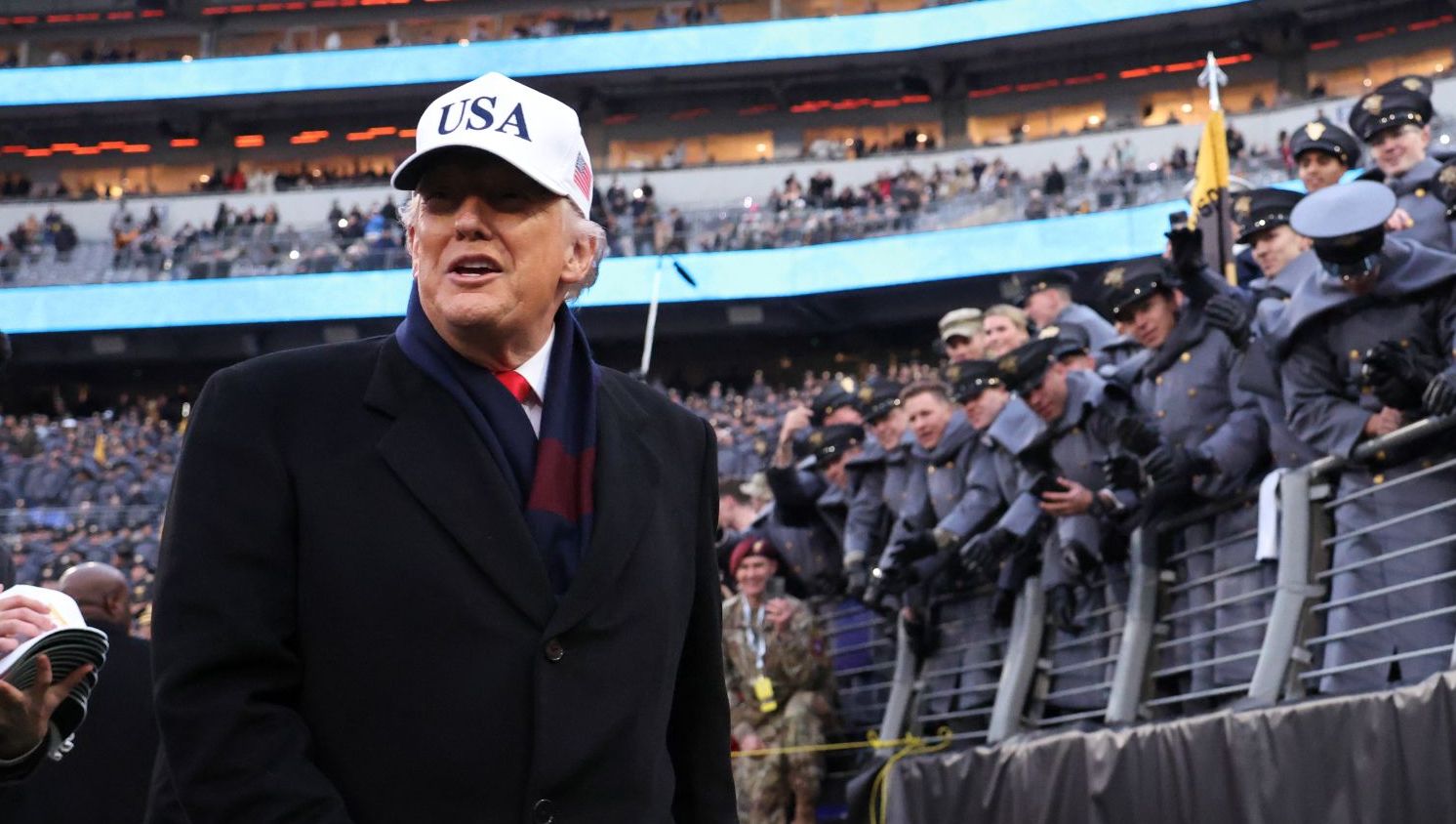
Trump also announced plans to sign an executive order to protect the Army-Navy college football game from potential College Football Playoff expansion, calling it a cherished American tradition.
The executive order's legality is subject to debate, and it follows a roundtable discussion hosted by Trump involving various stakeholders in college athletics.
The order limits athletes to one unrestricted transfer as undergraduates and sets a five-year college eligibility limit, with an effective date of August 1.
Despite concerns over its constitutionality and enforceability, several NCAA conferences, including the Big Ten, have expressed support for the executive order.