What Happens if NCAA Schools Ignore Athlete Limits in Executive Order?
President Donald Trump recently signed a second executive order aimed at addressing issues in college sports. This order focuses on transfer and eligibility rules for college athletes, potentially affecting how they can be compensated for their name, image, and likeness.
The new order also includes provisions to prevent schools from reducing scholarships or opportunities for women's and Olympic sports in order to pay athletes. Schools that violate the order may face financial penalties from the federal government.
Legal Debate and Background
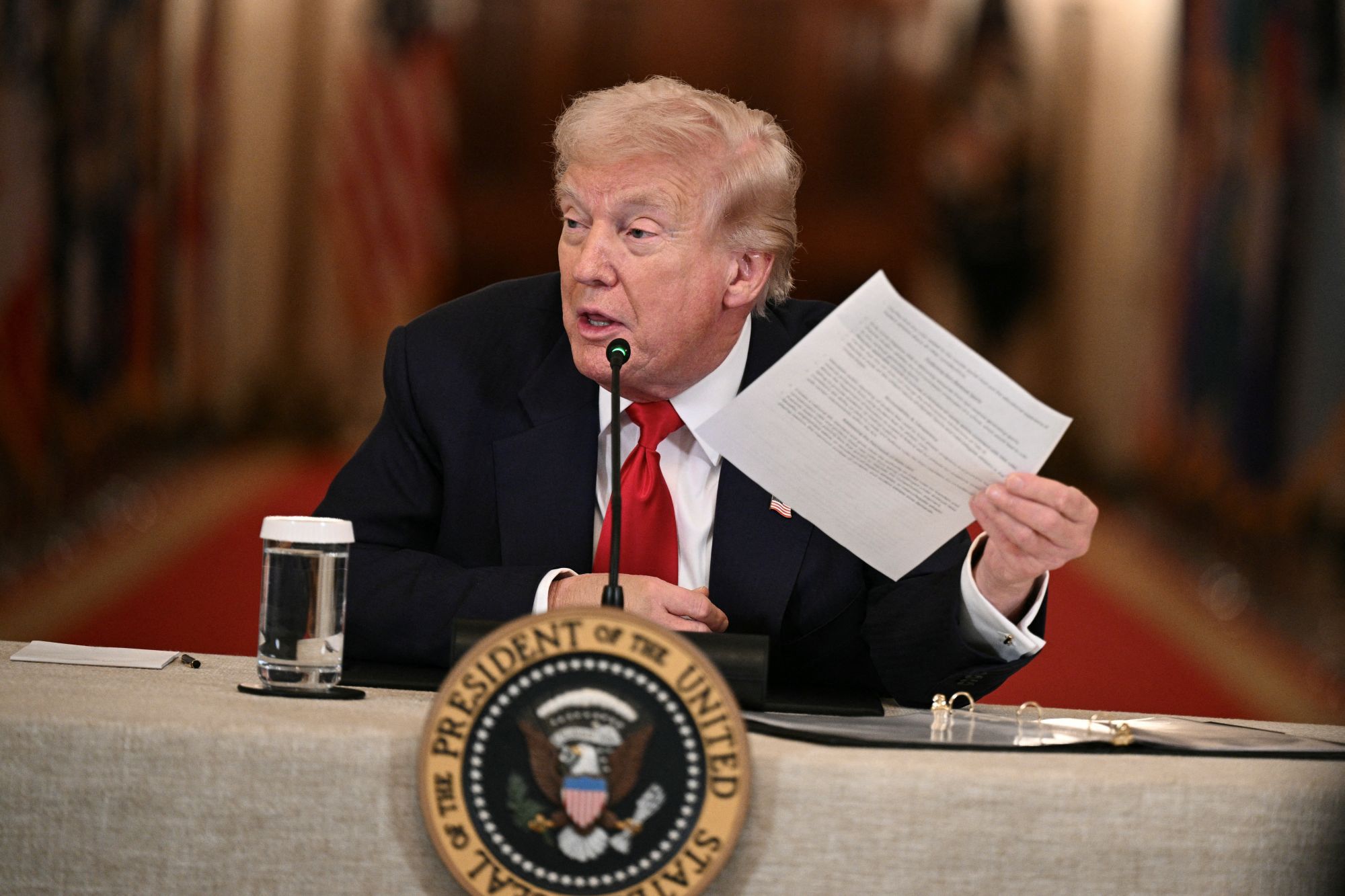
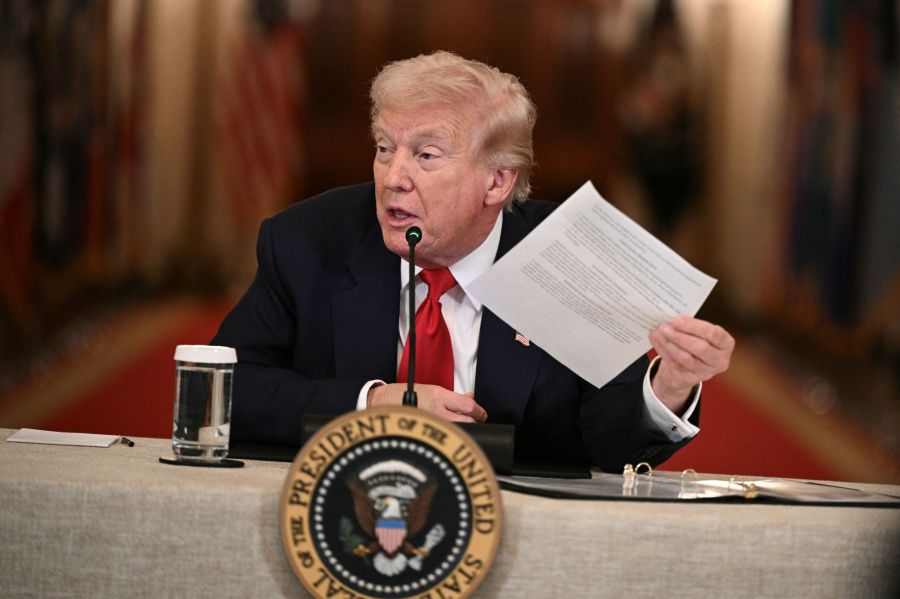
The legality of the executive order is a subject of ongoing debate. The order follows a roundtable discussion hosted by Trump, involving various stakeholders in college sports, where he vowed to take this action to address the challenges facing college athletics.
Under the new order, athletes are limited to one unrestricted transfer as undergraduates, and college eligibility is capped at five years. The order is set to take effect on August 1, aiming to establish clear rules for player compensation and eligibility.
Reactions and Support
Legal experts and college sports analysts anticipate legal challenges to the order. Despite concerns, several NCAA conferences, including the Big Ten, have expressed support for the order, emphasizing the need for legislation to address key issues in college sports.
Big Ten Commissioner Tony Petitti thanked President Trump for his efforts to safeguard college athletics and called for bipartisan legislation to address critical issues affecting student-athletes. The support from NCAA conferences highlights the ongoing discussions surrounding player compensation and sports regulations.