NCAA Schools' Obligation to Observe New Athlete Limits Explained
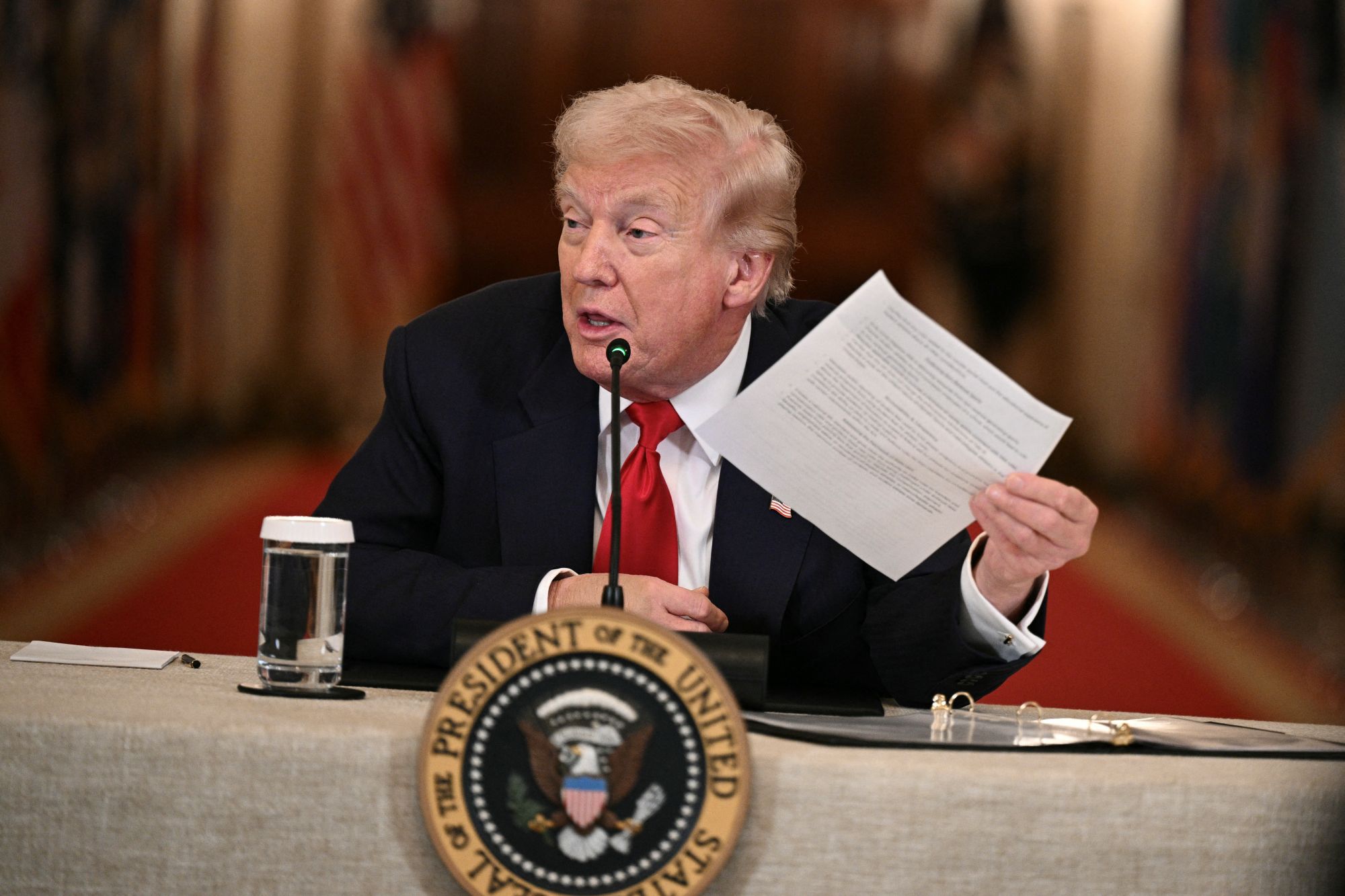
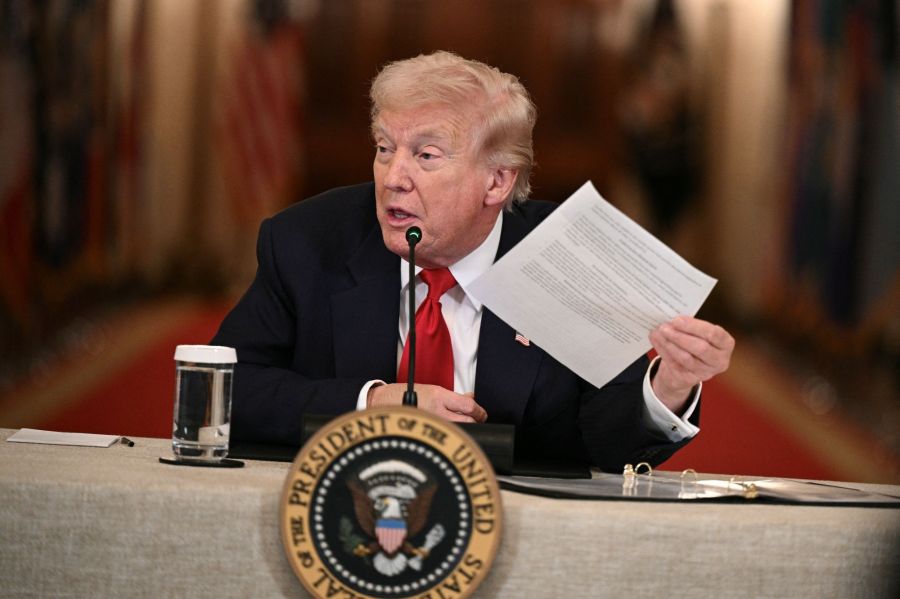
President Donald Trump signed a second executive order aiming to address issues in college sports, following a major weekend for NCAA basketball. The new order focuses on transfer and eligibility rules for college athletes, potentially affecting how they can be compensated for their name, image, and likeness.
The order also includes policies to prevent schools from reducing scholarships or opportunities for women's and Olympic sports to pay their athletes. Schools that violate the executive order may face financial penalties from the federal government.
Protecting Army-Navy Football Game
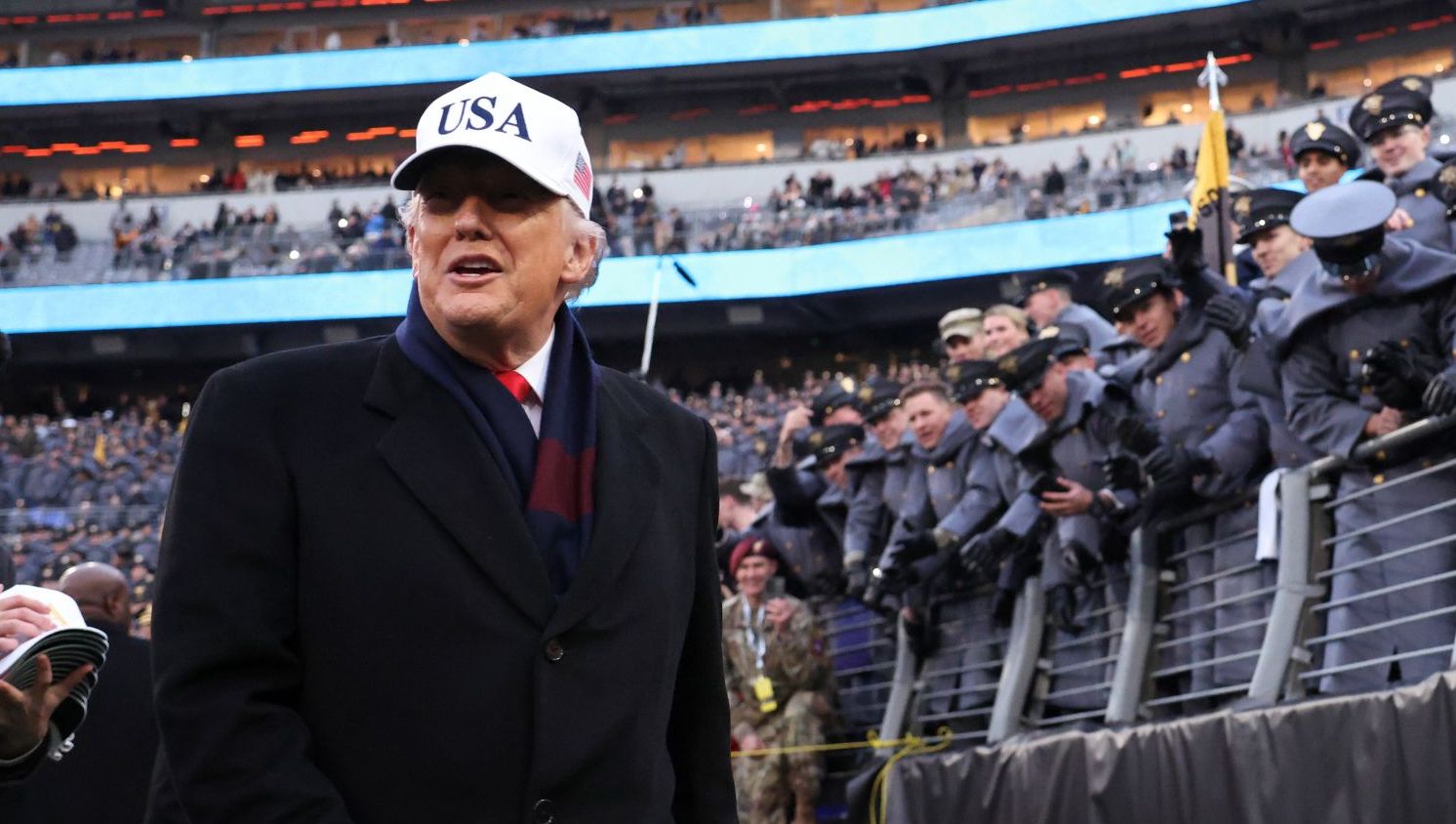
President Trump plans to sign an executive order to secure an exclusive time slot for the annual Army-Navy college football game, shielding it from potential College Football Playoff expansion. He emphasized the significance of the game as a cherished American tradition.
The order's legality remains a subject of debate. It comes shortly after a college sports roundtable hosted by Trump, where he expressed intentions to address the challenges faced by colleges and athletes through an executive order.
Controversy and Responses
Friday's executive order limits undergraduate athletes to one unrestricted transfer and sets college eligibility at five years. Legal experts predict the order may be challenged in court on constitutional grounds, as Trump himself acknowledged the likelihood of facing lawsuits over the decision.
Despite concerns about legality, various NCAA conferences, including the Big Ten, have voiced support for the order. Big Ten Commissioner Tony Petitti commended Trump's leadership in protecting college athletics and urged Congress to pass legislation addressing critical issues affecting the sport's long-term stability.