What Kept This Bag a Stock Market Winner for 4 Decades?
History and Value of the Hermès Birkin
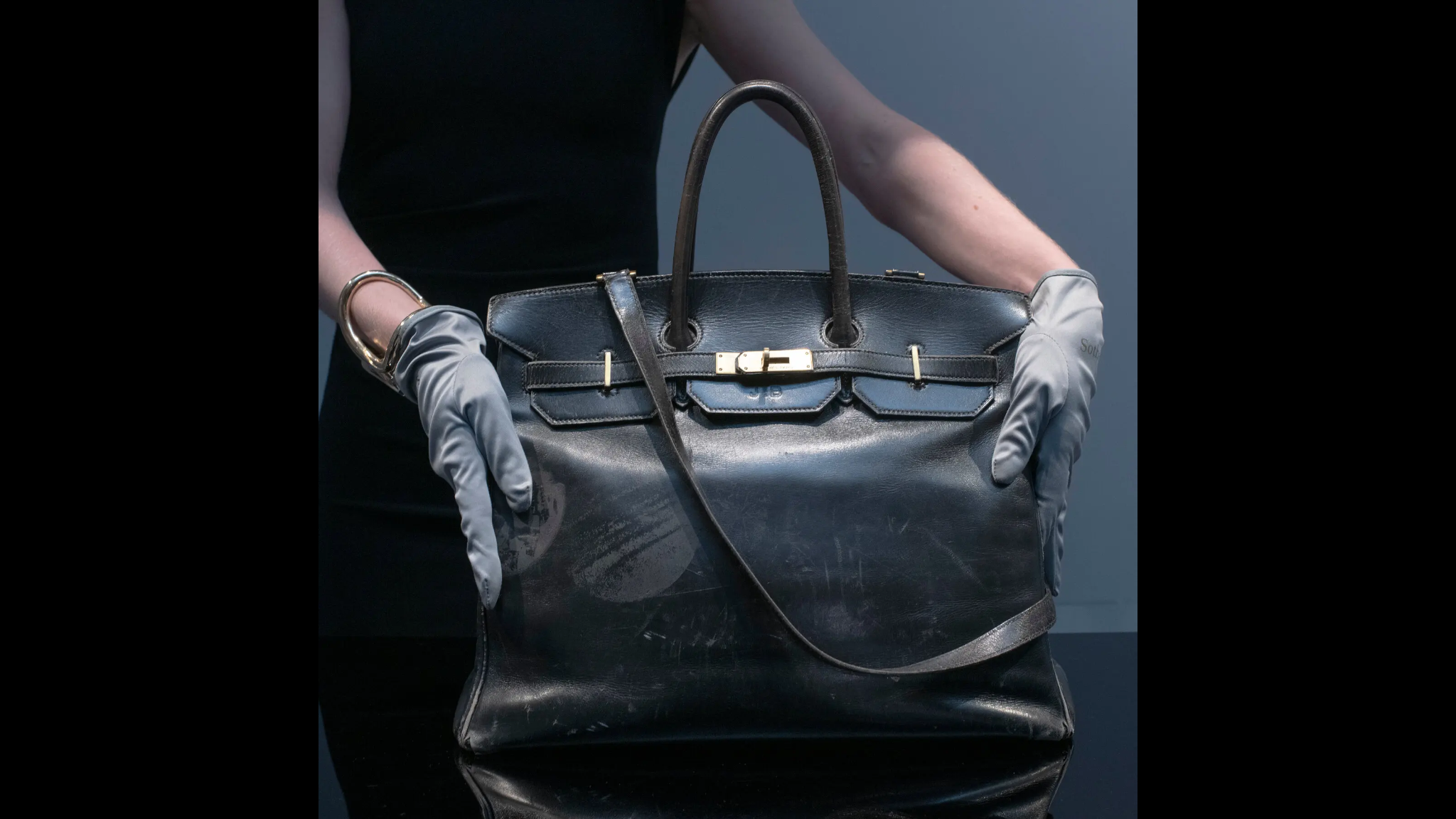
The Hermès Birkin handbag has evolved over a 40-year span to become a highly sought-after asset, surpassing gold and the S&P 500 in value growth. In 1984, the Birkin was conceived as a response to a need for a practical bag voiced by actress Jane Birkin. Initially overshadowed by Chanel, Hermès strategically increased prices over time, leading to a surge in demand in the 2000s.
By 2026, the retail price of a Birkin 30 has soared to $14,900, marking a 645% increase since its launch. On the secondary market, these bags can fetch around $22,300 or more, demonstrating their enduring value. Unlike most luxury items that depreciate, the Birkin consistently appreciates, offering an average annual return of 14.2% over decades.
Hermès meticulously controls the production and distribution of Birkin bags, ensuring scarcity and exclusivity. Each bag is crafted by a single artisan over a substantial period, and customers must establish a purchase history to access them. The resale market for Birkins has seen remarkable growth, with some rare pieces commanding six-figure prices.
Factors such as condition, color, and material significantly impact the value of a Birkin. Pristine, classic-colored bags can double in value within five years, while exotic leathers like crocodile can escalate prices but also raise initial costs. Financial experts now view the Birkin as an alternative asset, offering diversification from traditional investments.
Looking forward, the Hermès Birkin shows no signs of slowing down in terms of value appreciation. Its unique combination of scarcity, strategy, and cultural significance sets it apart from other luxury items, making it a coveted investment that continues to rise in value over time.