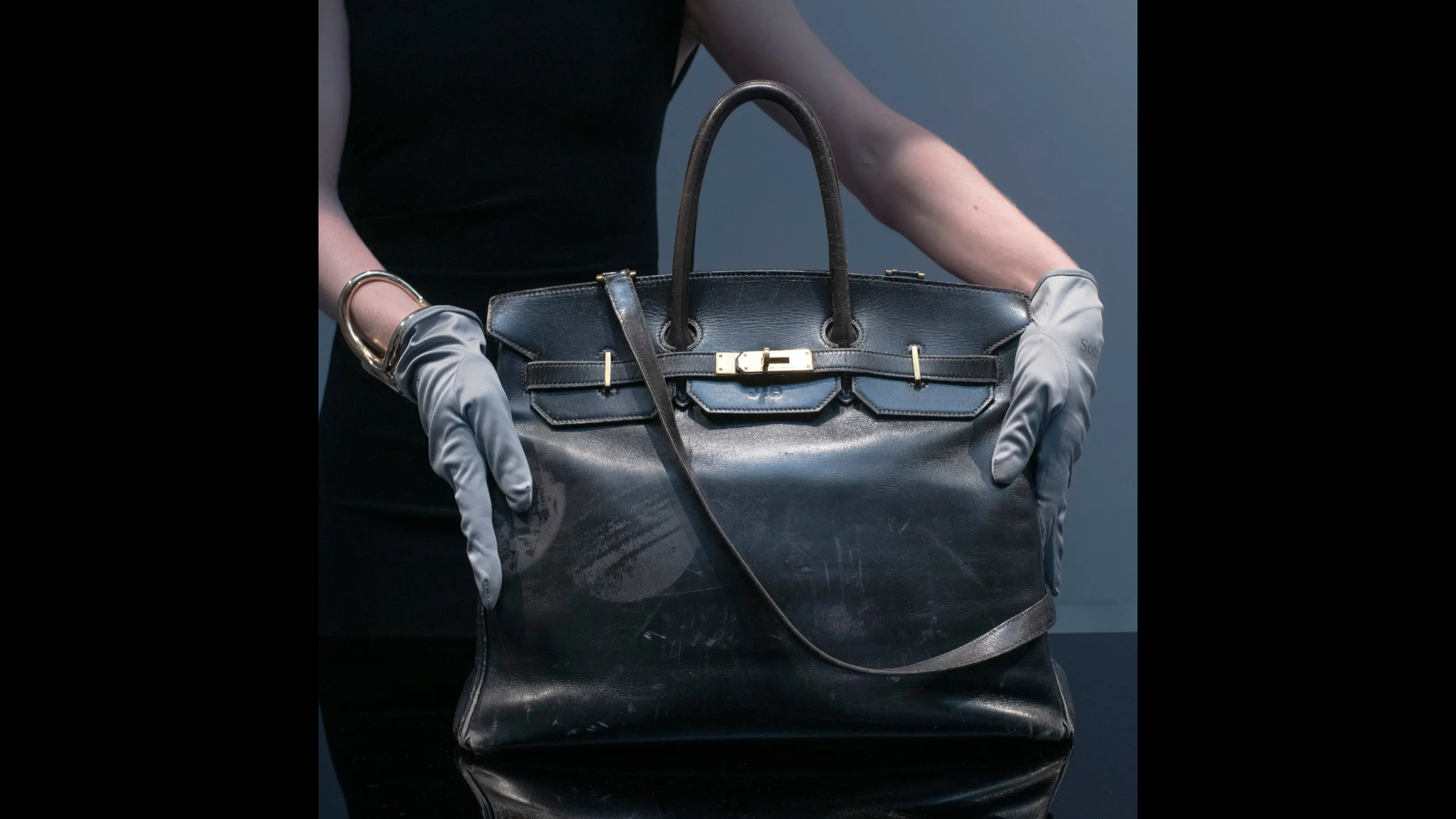
Unnoticed for 40 Years: Handbag Outperforms Stock Market in Silence
Originating in 1984 from a $2,000 idea by Jean-Louis Dumas, the Hermès Birkin handbag has transformed into a sought-after asset, steadily appreciating in value over the years surpassing gold and the S&P 500.
The Rise of the Birkin
Initially overshadowed by Chanel in the late 80s and early 90s, Hermès strategically increased prices over time, creating scarcity and desirability. The bag gained widespread attention in the 2000s, becoming a cultural icon after featuring in "Sex and the City."
The Birkin's Value
By 2026, retail prices for a Birkin 30 have risen by 645% to $14,900, with secondary market prices averaging around $22,300. Unlike most luxury items, the Birkin's value appreciates over time, with an average annual return of 14.2% and no recorded negative value years.
Hermès controls the Birkin's supply chain, handcrafting each bag and limiting production, contributing to its exclusivity. Customers must establish purchase history to access a Birkin, and prices never decrease due to no discounting policy.
The resale market for Birkin bags is thriving, with some collectors doubling their investment in five years. Factors such as condition, color, and material significantly impact resale values, with rare pieces reaching six figures in auctions.
Seen as an alternative asset by financial experts, the Birkin offers diversification from traditional investments. However, it requires patience, storage, authentication, and finding the right buyer due to its unique market dynamics and long-term investment approach.
Continuing its upward trajectory with escalating retail and resale prices, the Hermès Birkin remains a standout in the luxury market, characterized by consistent appreciation and enduring demand.