Why Are Canadian Tariffs Causing Chaos at New York's Border?
President Donald Trump's decision to impose 50% tariffs on many Canadian products just over two months before the midterms is reverberating across northern border states and congressional districts where cross-border trade and tourism are major economic drivers.
That includes communities such as Plattsburgh in New York's 21st Congressional District, where Republican Rep. Elise Stefanik is not running for reelection and the growing trade war is top of mind as Democrats seek to flip the seat.
"It's astounding how fundamentally divorced Washington seems to be from the reality of the U.S.-Canada economic relationship," Garry Douglas, the CEO of the North Country Chamber of Commerce in Plattsburgh, told ABC News. "If you're going to look at readjusting trade relationships around the world, Canada isn't where you start."
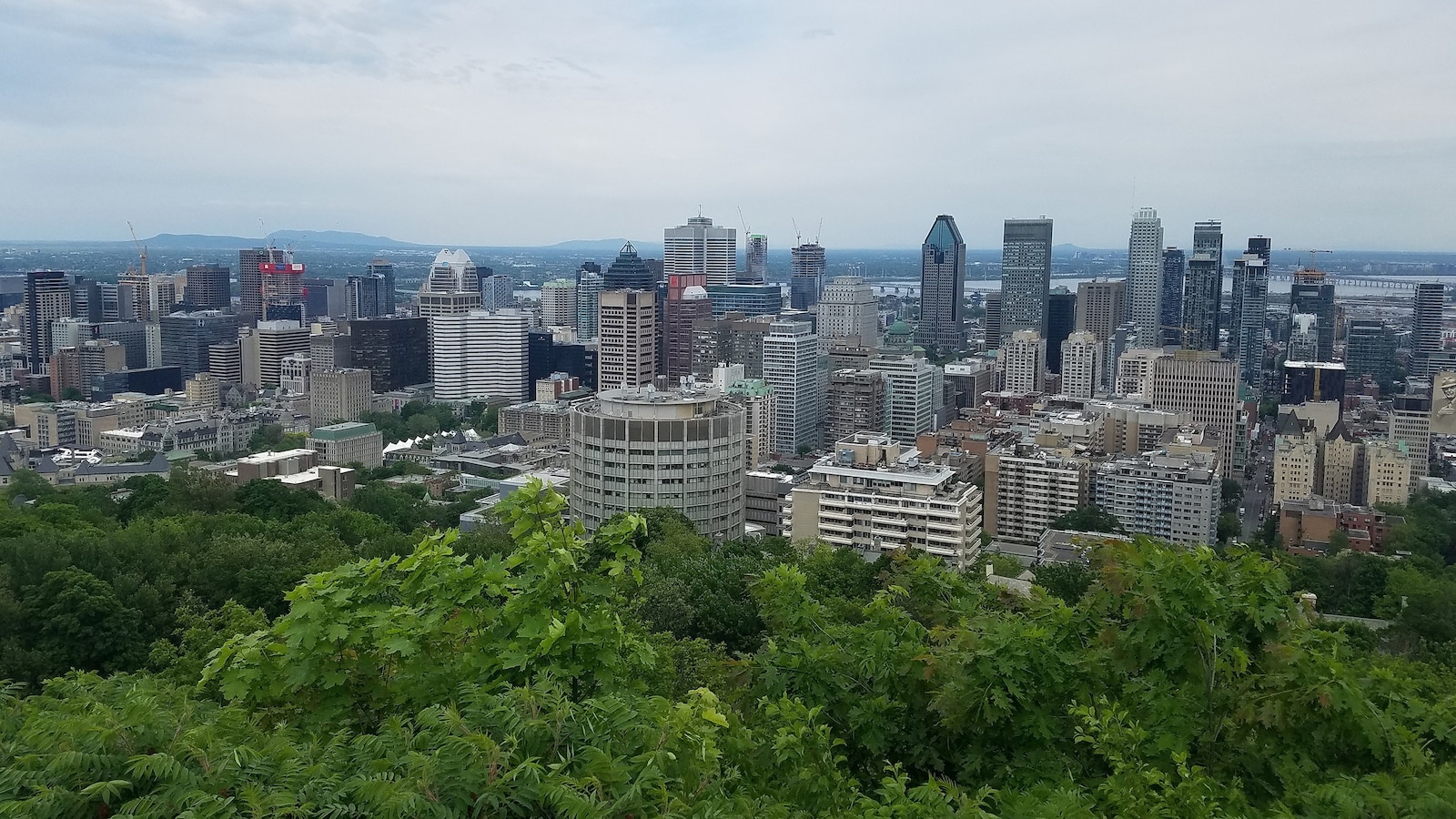
Many Canadian companies conduct business in and around Plattsburgh, which is just an hour from Montreal and even brands itself as "Montreal’s U.S. suburb."
"Without the extraordinary economic partnership that our area in particular has built with neighboring Quebec, we would be a backwater agricultural college town," Douglas said. "Instead, we're a bustling manufacturing hub."
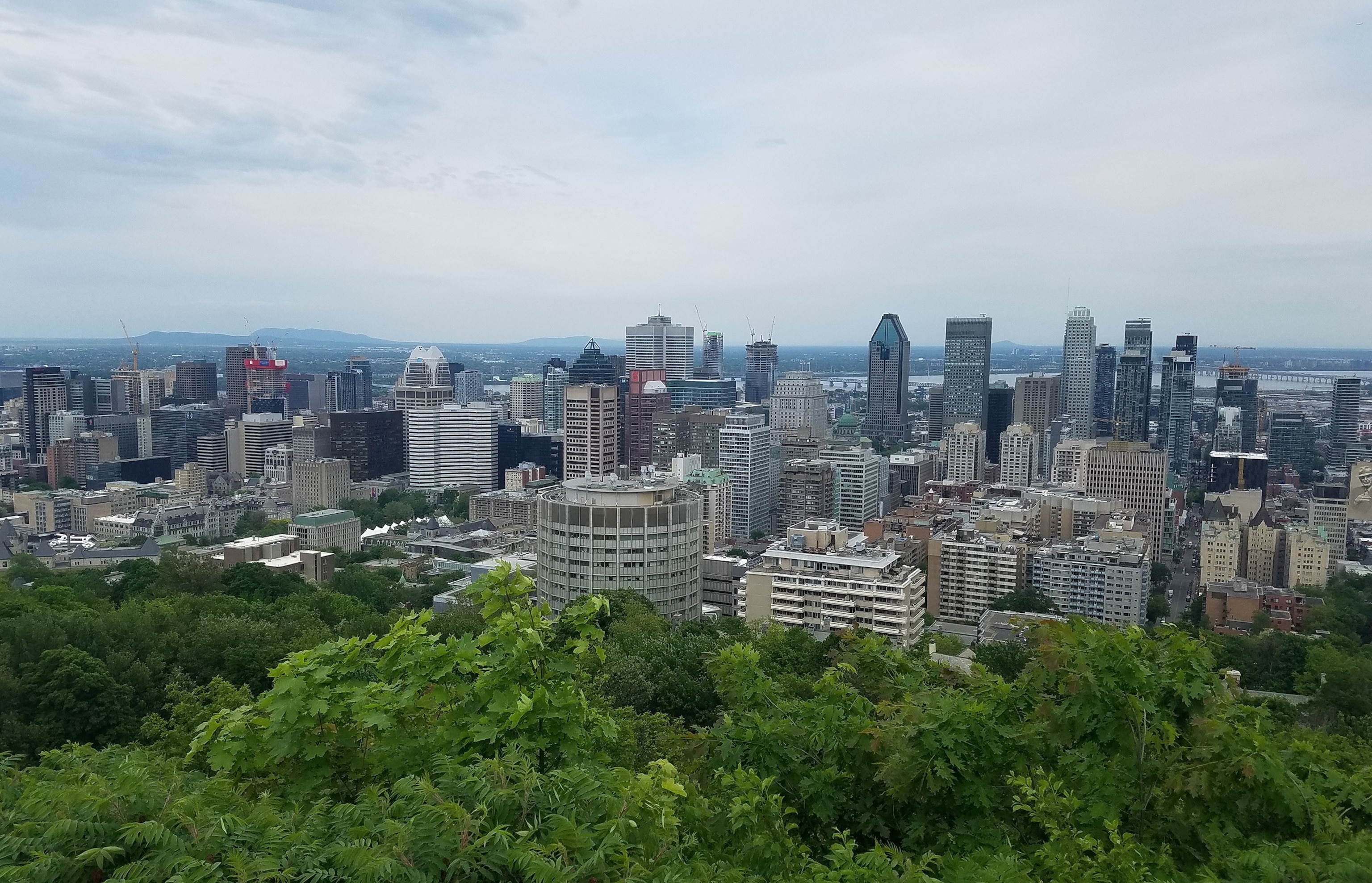
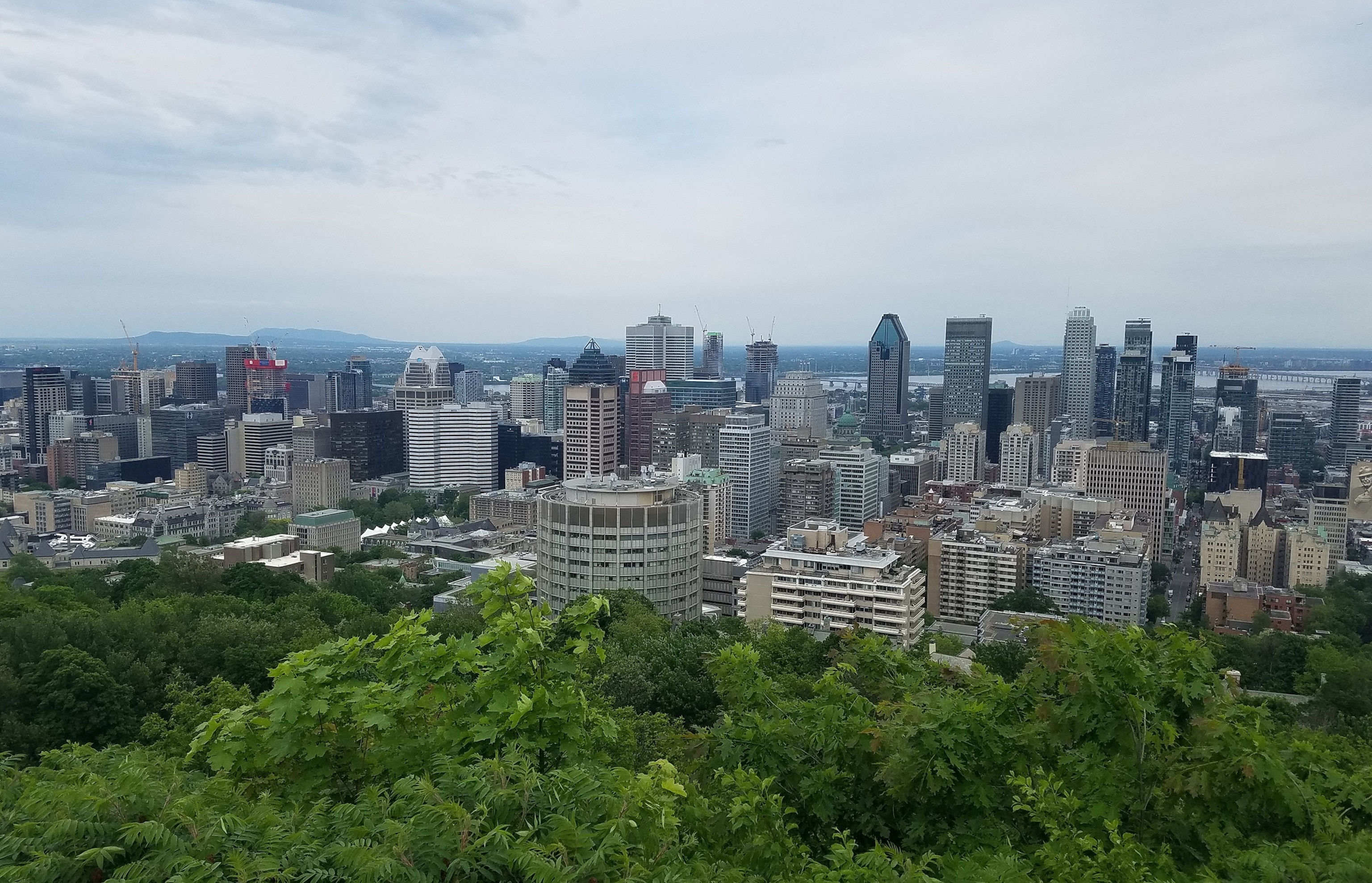
Downtown Montreal is just over an hour north of Plattsburgh, New York.
Jared Kofsky/ABC News
As of April 2026, the 21st District exported $1.1 billion worth of goods to Canada annually, according to a report by the Canadian embassy in Washington, D.C. Canada is now planning retaliatory tariffs on American goods.
Shelyn Peets, who owns a clothing boutique in Massena, New York, across the border from Cornwall, Ontario, told ABC News that she is closely monitoring the tariffs since she buys Canadian products from two suppliers.
"I don't know that I would no longer purchase [the products], but I probably would not purchase the volume that I do, or as often that I do, only because that cost would then have to be raised, which of course goes on to the consumer, and that's not something I want to do,” Peets said.
The manufacturer vs. the dairy farmer
Stefanik, a Trump ally, was nominated by the president to be the U.S. ambassador to the United Nations, but she complied with Trump's request to withdraw her nomination in 2025 after he said he did not want to risk losing a Republican seat in the House where the GOP holds a slim majority.
She then declared late last year that she would run for governor, but soon withdrew from the race and also announced that she would not seek reelection to Congress.
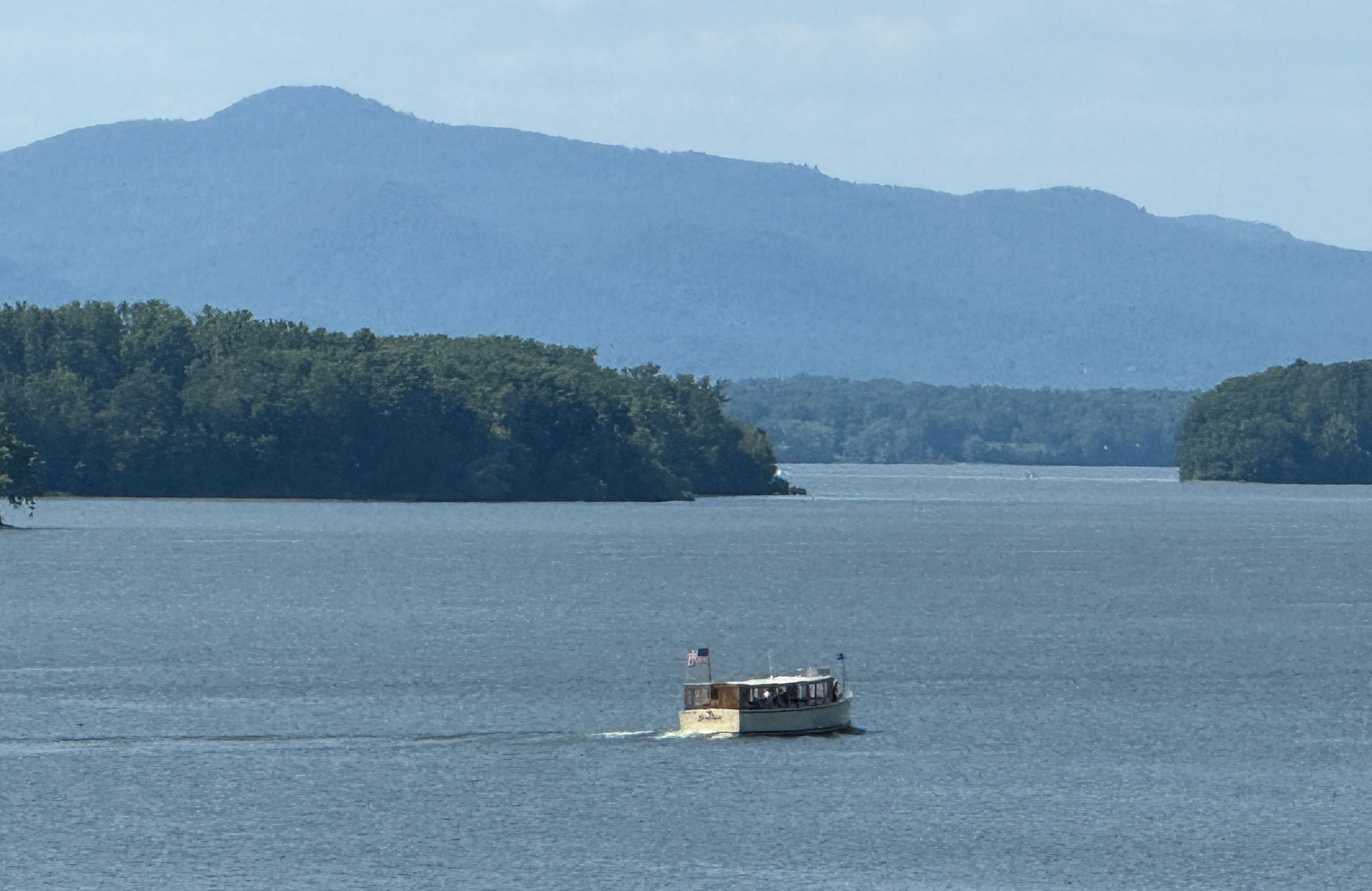
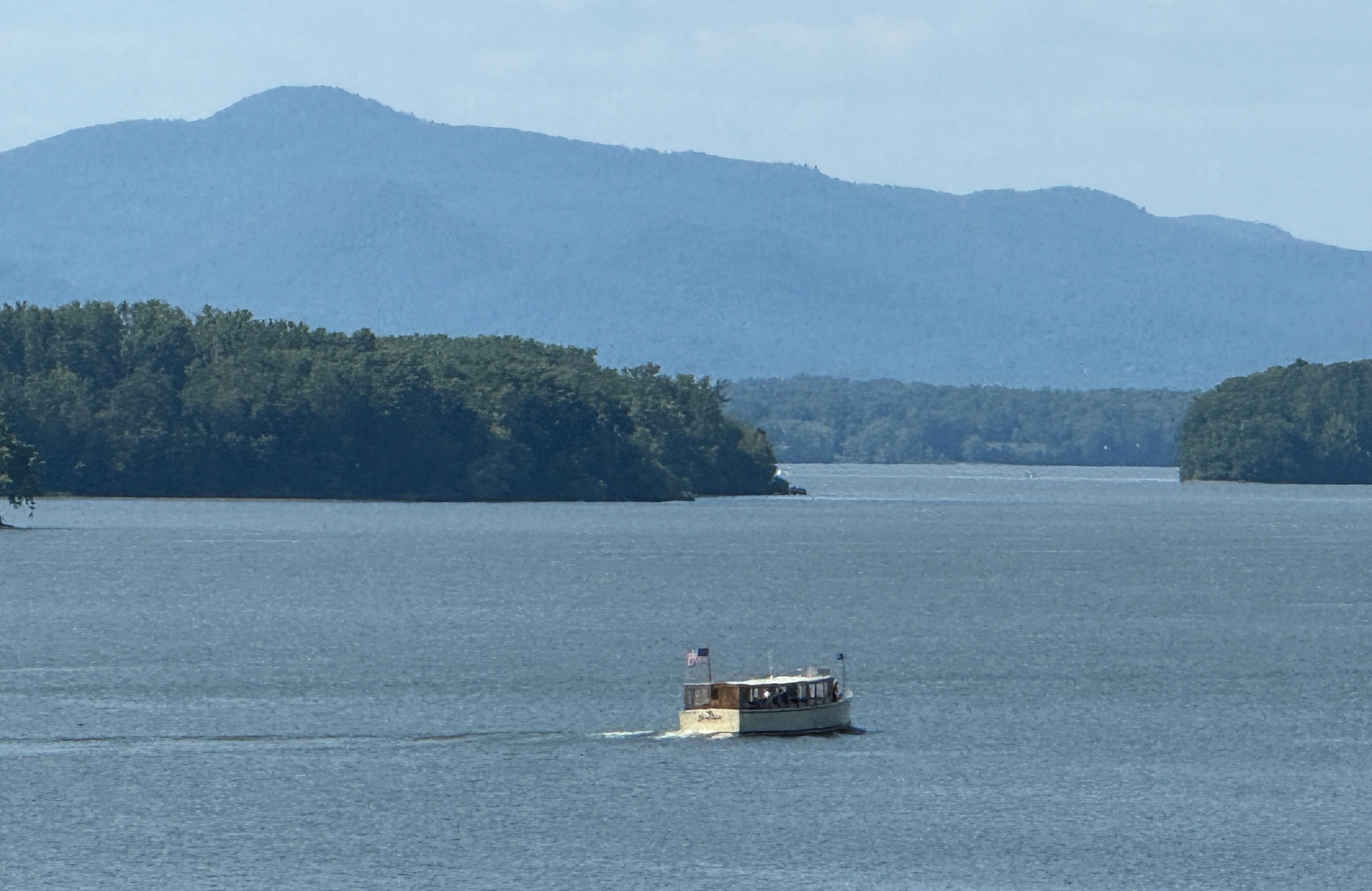
New York's 21st Congressional District covers the Adirondack Mountains and surrounding regions.
Jared Kofsky/ABC News
While the district has undergone several rounds of redistricting, the current boundaries give it a conservative bent. Stefanik has held the seat for more than a decade. Prior to the redistricting, the 21st District was represented by Democrat Bill Owens.
"Of course, any Democrat in this district would have an uphill battle," Harvey Schantz, a professor at SUNY Plattsburgh, told ABC News. "But given that the president's low approval predicts some movement toward the Democrats, then the Democrats have some opportunity here, and they've been more aware of this district since Stefanik has left."
Popular Reads
In a district that is reliant on agriculture and manufacturing, it may not be a surprise that one of the two candidates seeking to replace Stefanik is a manufacturing CEO while the other is a dairy farmer.
Anthony Constantino, who gained prominence in 2024 after placing a massive "Vote for Trump" sign atop his factory, is the Republican nominee. Blake Gendebien, who owns a farm in St. Lawrence County, is his Democratic rival.
Constantino was endorsed by Trump in the Republican primary over a state lawmaker who had been backed by the state GOP chair. He told ABC News that two of the biggest local issues are a lack of jobs along with minimal high-speed internet and cellphone service.
"We need to bring people back," Constantino told ABC News. "We need to bring energy back [and] excitement back. We need to get the economy going, and we need jobs, good jobs. The more jobs you have, the more wages go up."
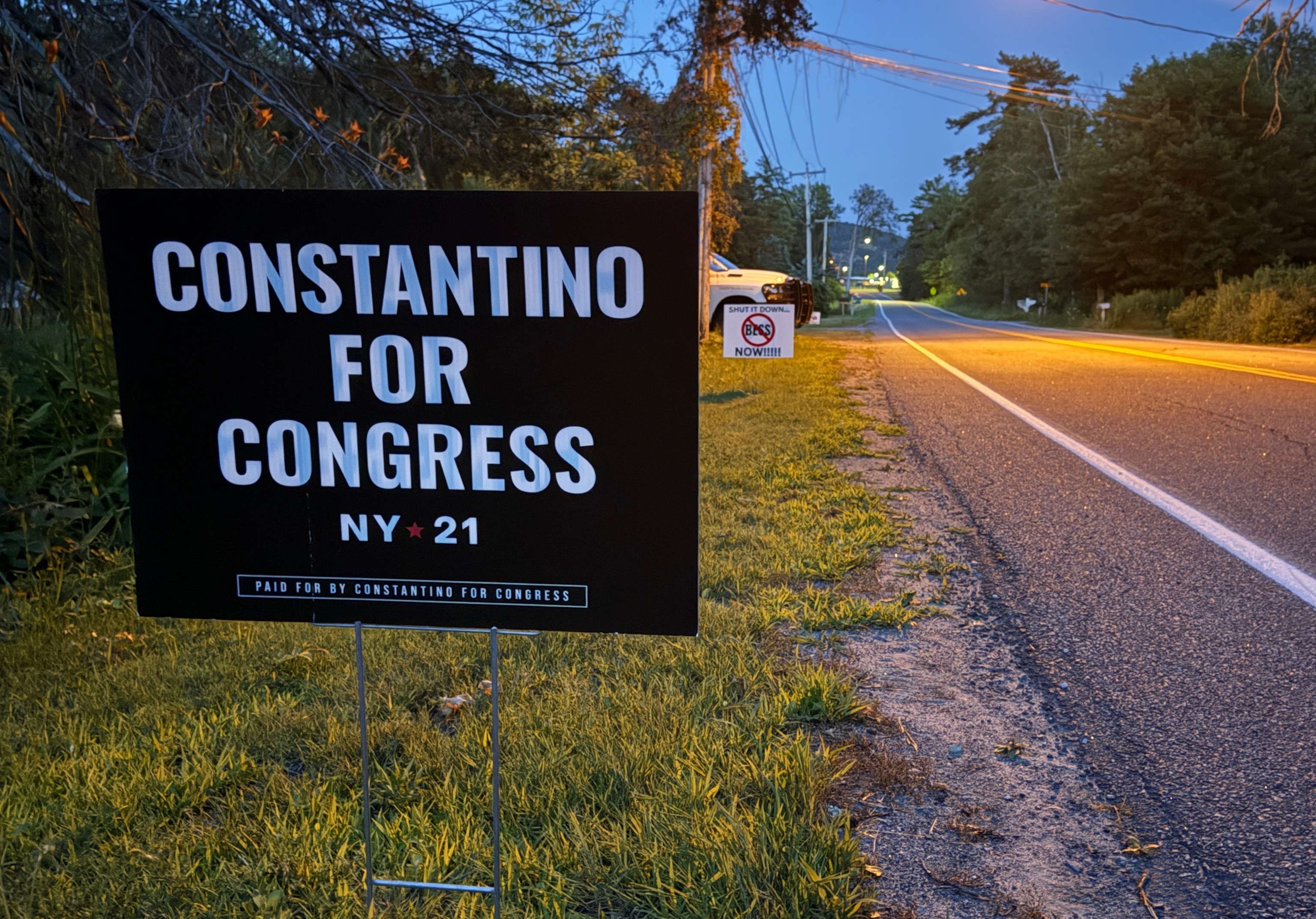
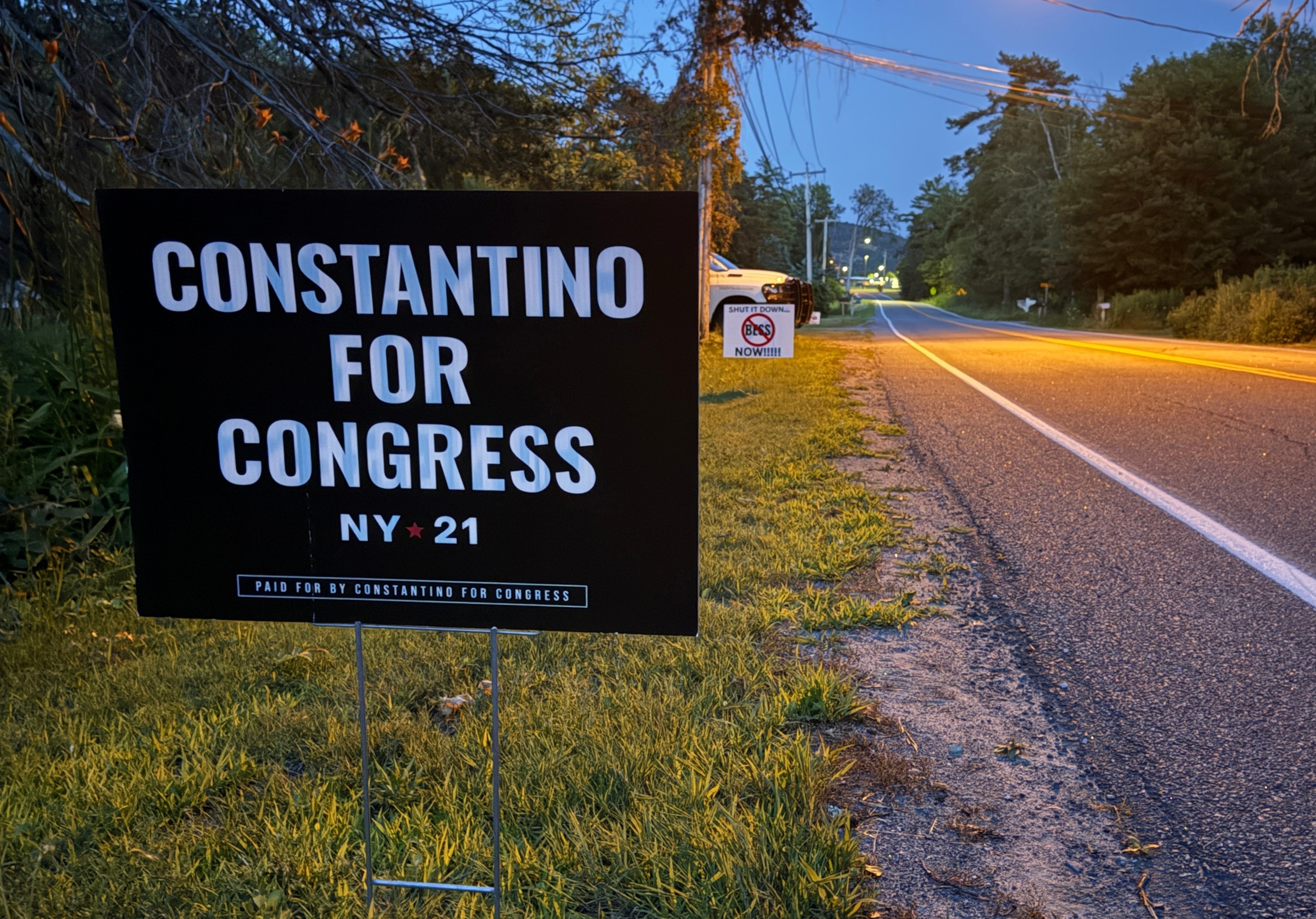
A sign in support of Anthony Constantino in Ticonderoga, New York.
Jared Kofsky/ABC News
Constantino explained that when it comes to the tariffs, he is backing Trump’s decision. Negotiations between Canada and the U.S. broke down over the weekend and a fresh round of 50% U.S. tariffs on some Canadian goods took effect on Saturday, leading Canada to retaliate with a set of its own levies.
"Canada has been taking advantage of us," he said. "We had an insecure border. We secured it, and we need fair trade with Canada. We need to be able to deal with them on a fair basis and rebuild American manufacturing."
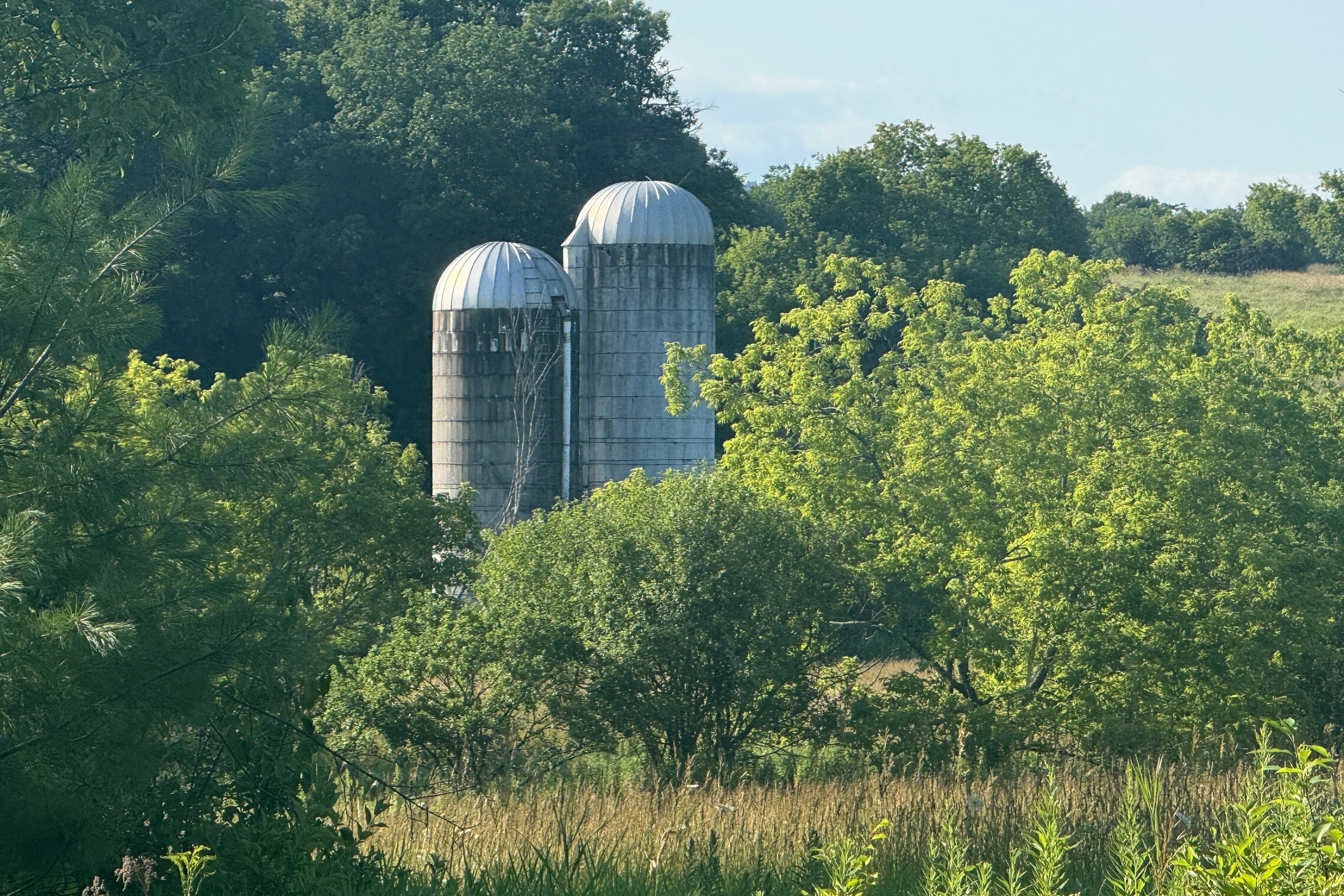
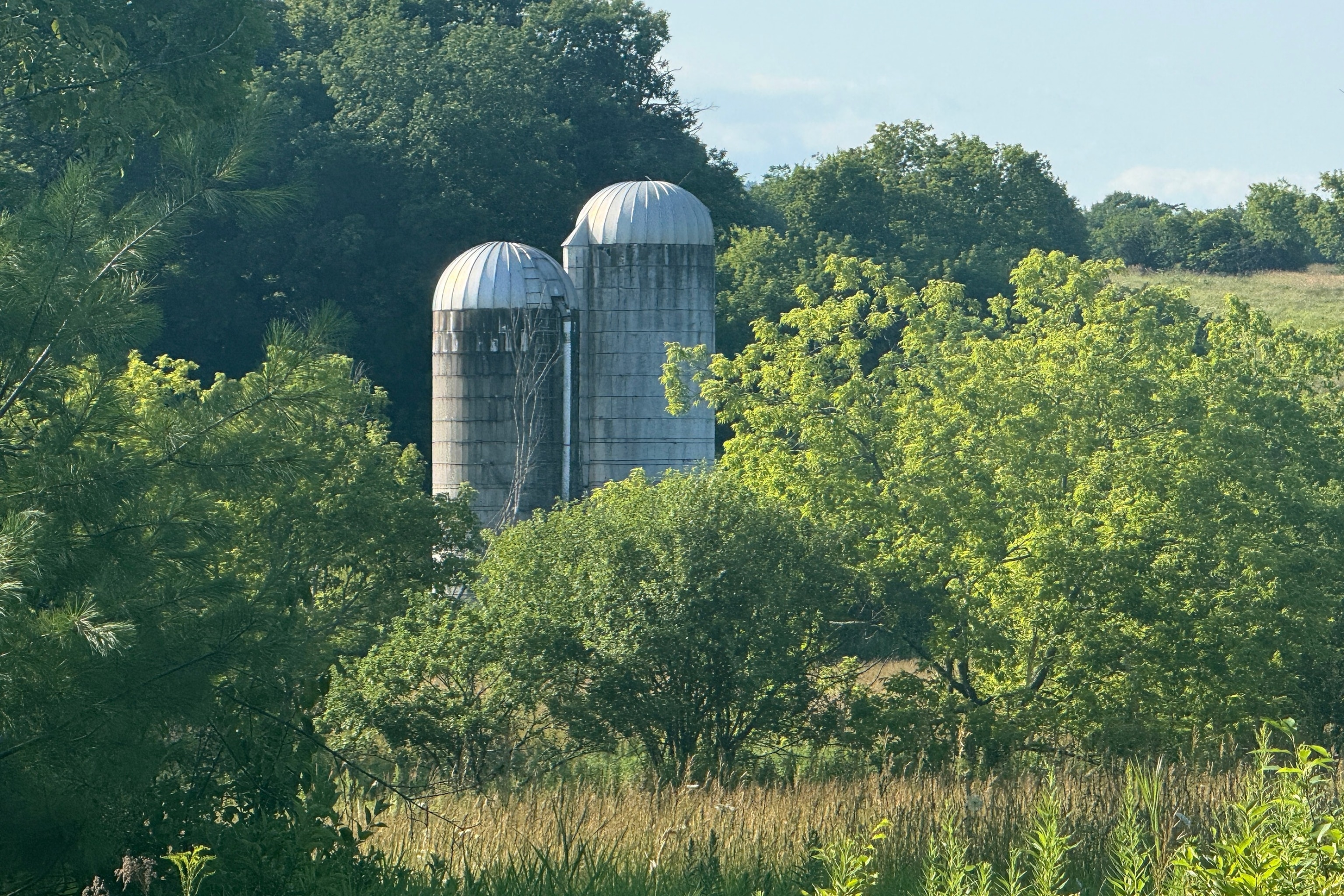
Farms like this one in Essex County, New York, make up a large portion of the economy of New York's 21st Congressional District.
Jared Kofsky/ABC News
The district stretches all the way from the U.S.-Canada border to former industrial towns along the Erie Canal to villages at the edge of the Catskills more than 200 miles from Canada.
"We need somebody who's born and raised here and understands what it's like to live here, to lower costs, save our rural healthcare, and make sure that we end this corruption in D.C. that only hurts us disproportionately in rural America," Gendebien said in an interview with ABC News.

A sign in support of Blake Gendebien in Ticonderoga, New York.
Jared Kofsky/ABC News
Tariffs are creating uncertainty for local businesses, Gendebien said, arguing that they are being treated like a bargaining chip and that the area's economy has been suffering because of fewer Canadian tourists crossing the border.
Douglas, the chamber CEO, said that he has met with both candidates and that they each agreed that if elected, they would join trips to Montreal and Ottawa.
To Douglas, his region's international partnerships have prevented Plattsburgh from experiencing struggles similar to other American communities.
"We also lost some of the legacy manufacturers like they did. We lost pharmaceuticals. We lost some, but not all of our paper manufacturing," Douglas said. "But we almost immediately replaced those with new types of manufacturing, like transportation equipment, thanks to our connection with Canada."