NYC's Homeless Crisis Spirals: What's Really Behind the Alarming Rise?

It’s nothing to write home about.
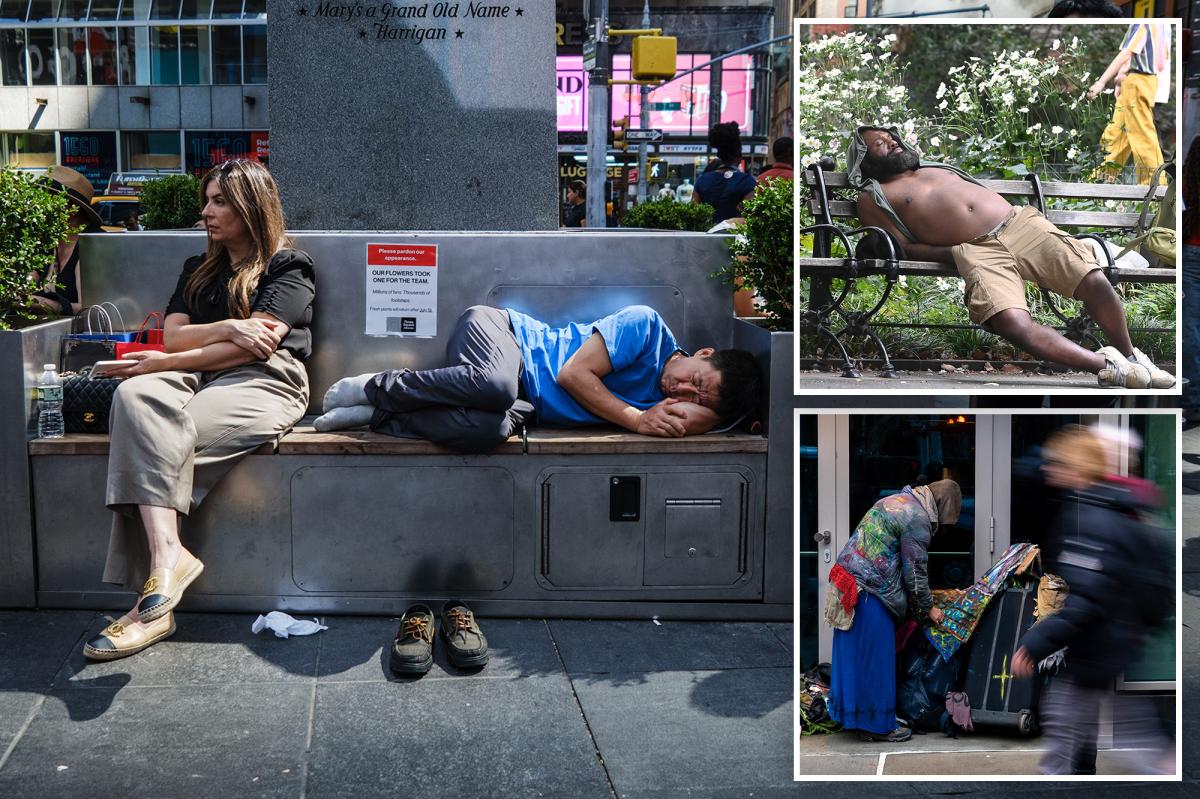
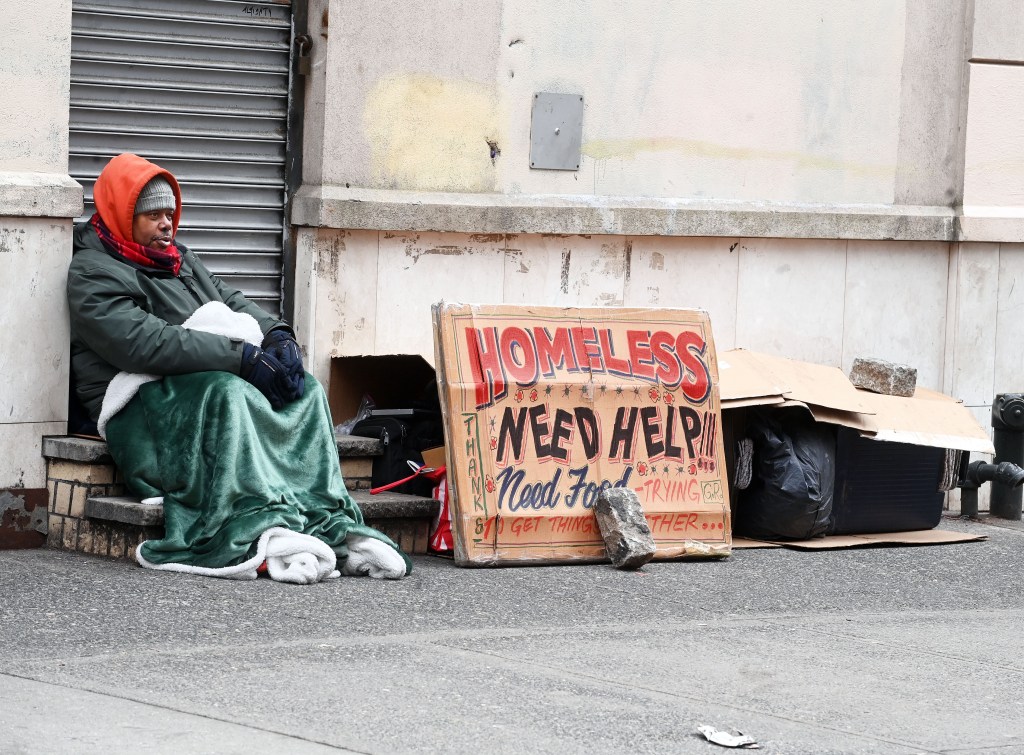
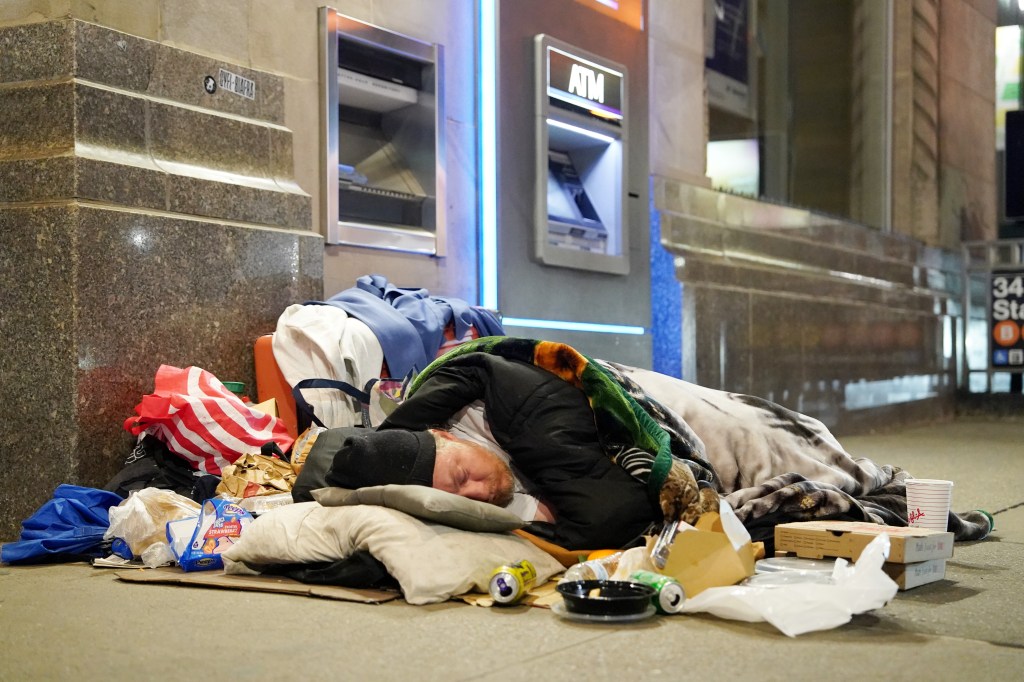
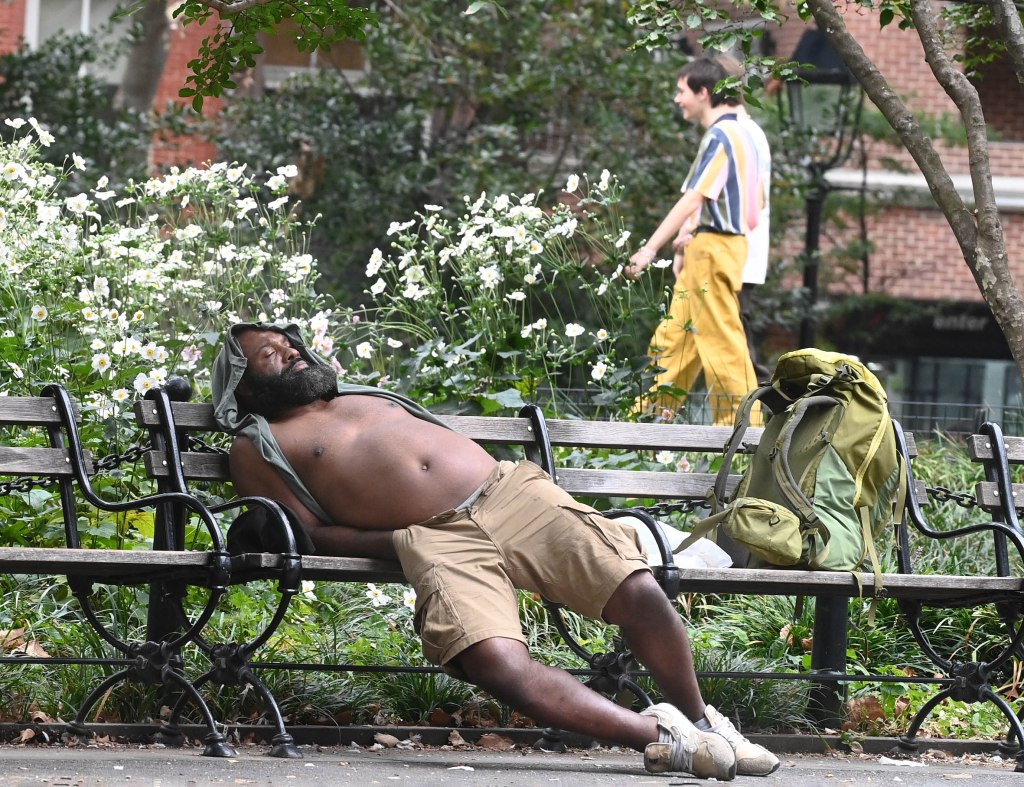
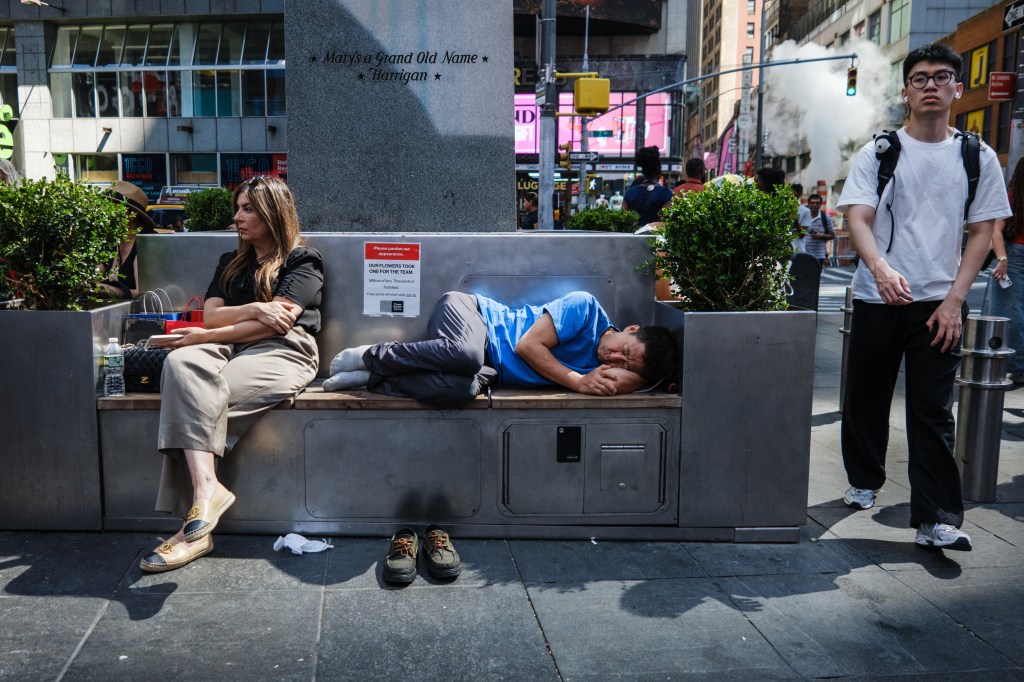
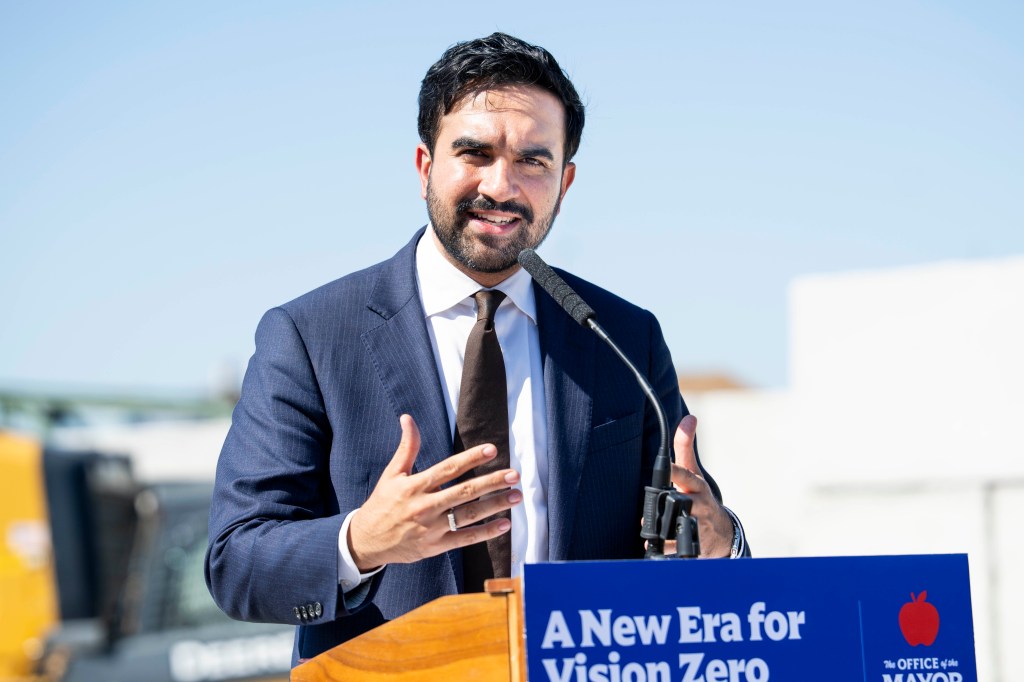
Homelessness on New York City’s streets reached an alarming five-year high amid socialist Mayor Zohran Mamdani’s still-fledgling term, data released Thursday shows.
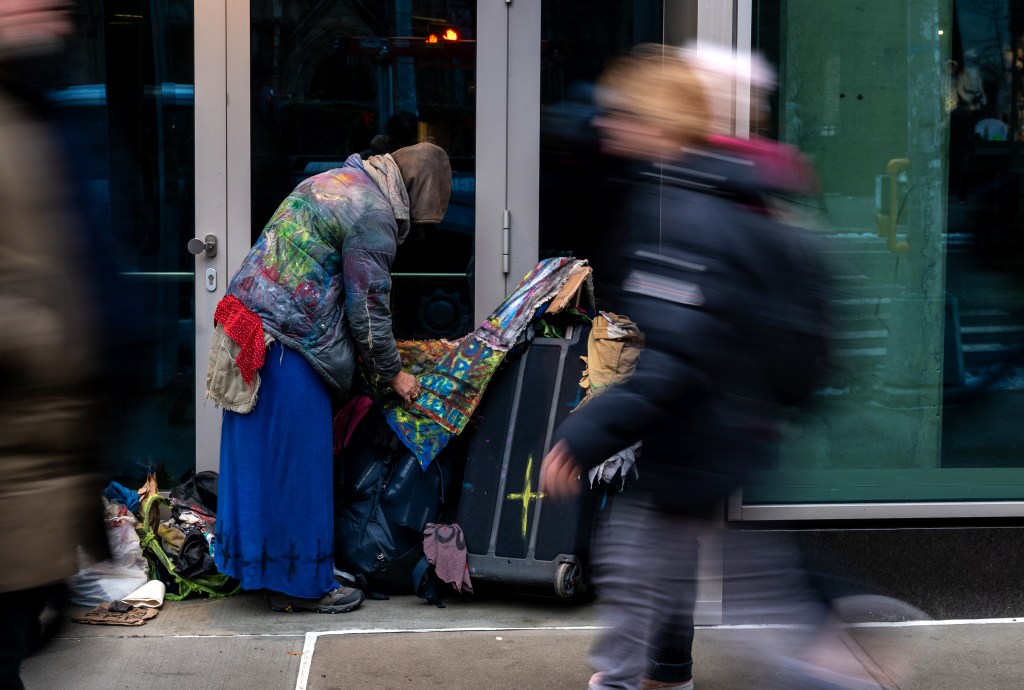
Nearly 5,000 unsheltered people were estimated to be living on streets, parks, under highways, and in subways and public transit stations across the city during an annual survey conducted in March – an astounding 45% jump from the 2022 fiscal year, according to the Mayor’s Management Report.


The shabby showing came as Big Apple leaders struggled for years to tackle homelessness, with Mamdani controversially ending homeless encampment sweeps — part of a hands-off approach that angered one Upper East Sider fed up with two camps along Broadway.
“He’s just letting them do whatever they want,” said Jeanne, who declined to give her last name. “And they took away the police’s powers, so they can’t do anything about it. It’s a disaster.”
The tally of people sleeping rough was up 11% in fiscal year 2026 compared to the year before, continuing a yearly increase going back to 2022, when former mayor Eric Adams was in office, the data shows.
The worrisome findings from the Homeless Outreach Population Estimate, an annual count, were buried near the end of a section on homelessness — and City Hall seemingly waved the concerning uptick off as a weather-related aberration.
“While the HOPE survey is typically conducted in late January, this year’s effort was postponed until March due to historic winter weather,” the spokesperson said. “Ultimately, the average temperature on the day the survey was conducted—March 10—was nearly 60 degrees, the highest ever on the day of the survey and about 20 degrees above recent years.”
Homeless encampments, hovels and shantytowns have become an increasing problem in the Big Apple in recent months, with unsightly camps popping up near the tourist-magnet Intrepid Museum, Citi Field in Queens and under FDR Drive.
Their emergence coincided with Mamdani’s rejection of the city’s longstanding policy of clearing makeshift settlements from public areas.


Hizzoner’s soft-touch approach to homelessness has barred the NYPD from taking them down. City outreach workers, instead, are given seven days to coax vagrants off the streets — and only then can the encampments be taken down.
In addition to the rise in homeless New Yorkers on the streets, the number of single adults in shelters also reached a five-year high during the fiscal year 2026, which was split between Adams’ and Mamdani’s terms, the report reveals.
The shelter numbers highlight how the Big Apple has struggled to transition vulnerable residents into permanent housing despite pumping billions of taxpayer dollars into various programs.
A shift in strategies for tackling homelessness between former mayors Michael Bloomberg and Bill de Blasio had a major impact, said Scott Auwarter, who ran outreach efforts in the Bronx for more than two decades.


“When de Blasio took over, there wasn’t as much focus on getting the chronically homeless off the streets,” he said.
“I felt during the Bloomberg administration with outreach providers and family shelters, there was a sense you were being held accountable. There were performance-based contracts. You were pressured to meet goals and that disappeared when de Blasio and (homelessness czar) Steve Banks took over.”
Mamdani, who counts de Blasio as his favorite living former mayor, tapped Banks to serve as his corporation counsel.
Homeless advocates also argue the city’s lack of affordable housing for the poorest New Yorkers is exacerbating the problem.
Dave Giffen, executive director for the Coalition for the Homeless, called the HOPE count “very flawed” and unlikely to present an accurate number, even on a single night.
He noted Mamdani’s administration is still formulating a homelessness plan.
“The reason that we have nearly 100,000 people sleeping in the shelter system is because New York City and state have lacked a rational housing policy for five decades, and that’s nothing that you turn around overnight,” he said.
Norman Siegel, a homeless outreach advocate and civil rights attorney, faulted Mamdani for pulling back from his Street Homeless Advocacy Project – a program that helped 500 of 900 people leave the streets last year.
“I thought Mamdani was perfect for this, and so far from him we’ve gotten very little, if anything at all,” Siegel said.
A City Hall spokesperson touted progress in putting homeless people in permanent and transitional housing.
“In Fiscal 2026, DHS outreach workers referred over 13,032 unsheltered clients to placements in permanent housing, transitional programs, and other stable settings, a 20 percent increase compared to Fiscal 2025,” the spokesperson said.
– Additional reporting by Matthew Fischetti and Craig McCarthy